Loading articles...
Articles & Guides
In-depth features on Seaford's history, nature, and community
Showing 33 articles
Food & Drink
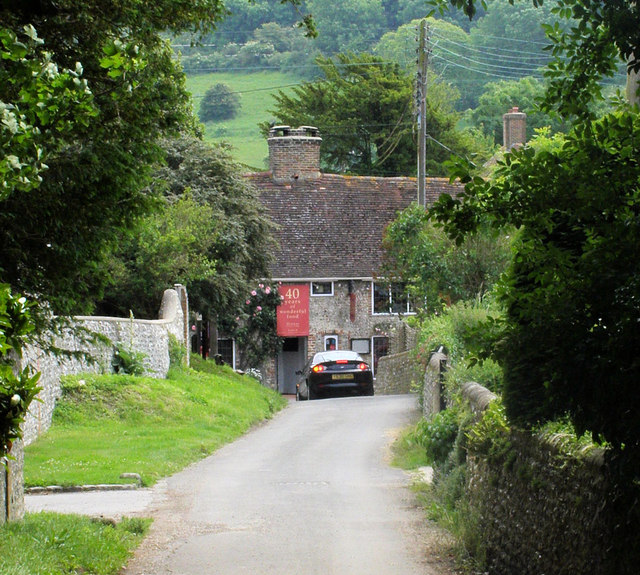
Banoffee Pie — World-Famous, Invented Eight Miles from Seaford
Britain's favourite pudding was worked out in 1972 in a 14th-century flint cottage in Jevington, eight miles up the Downs from Seaford. This is the story of the Hungry Monk, chef Ian Dowding, owner Nigel Mackenzie, a tin of condensed milk, a £10,000 challenge, Margaret Thatcher, the blue plaque that marks the spot, and the Seaford restaurant the chef went on to run.
13 September 2026Discover Seaford6 min read
Nature & Wildlife
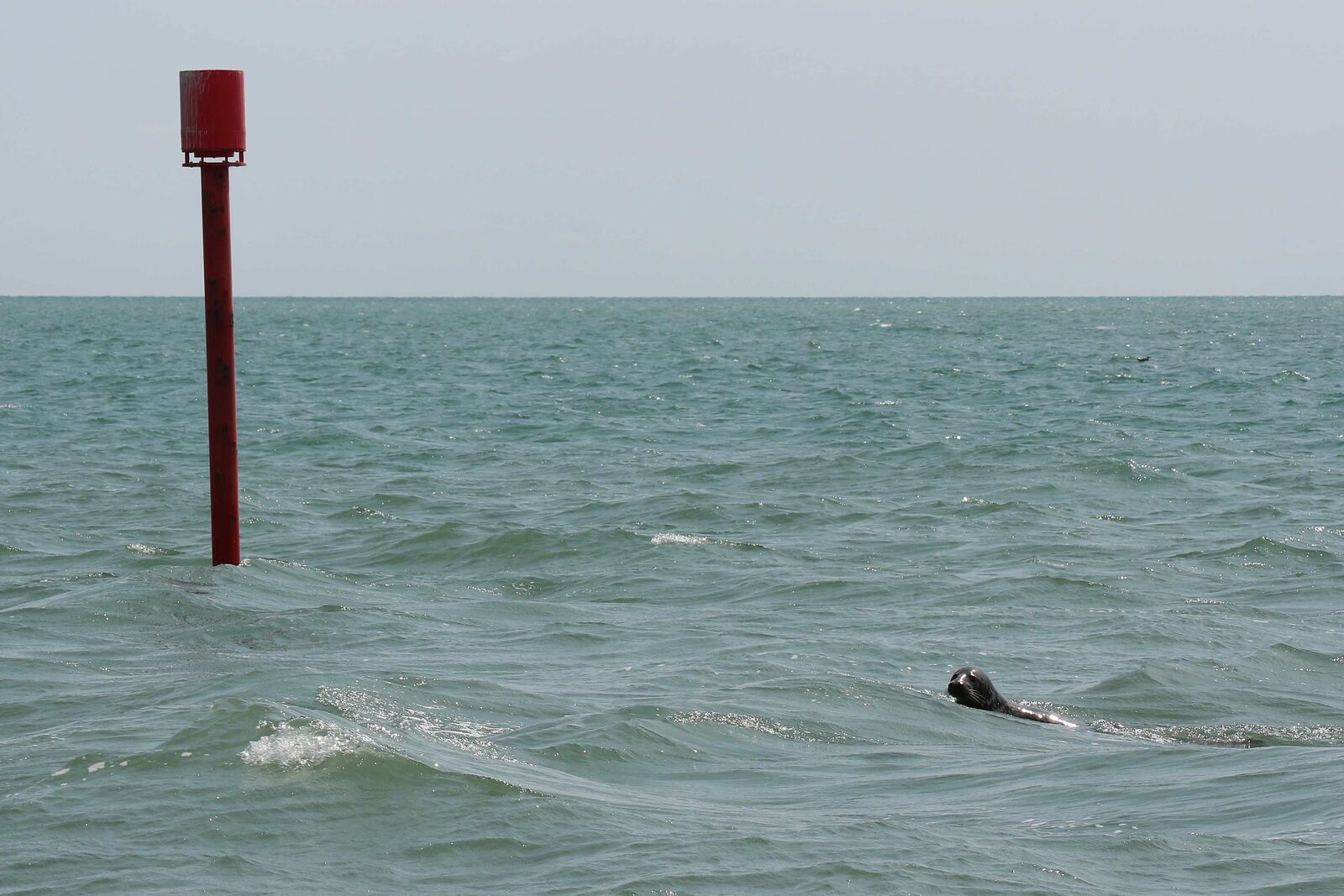
Seals on Seaford Beach — Who to Call and How to Watch Responsibly
Seals are hauling out on Seaford beach again, and in spring 2024 a pup was born near Splash Point. Here is how to tell a grey seal from a common seal, why the Sussex coast is starting to suit them once more, the 100 metre rule that keeps them safe, and the 24 hour number to ring if one is in trouble.
6 September 2026Discover Seaford7 min read
Nature & Wildlife
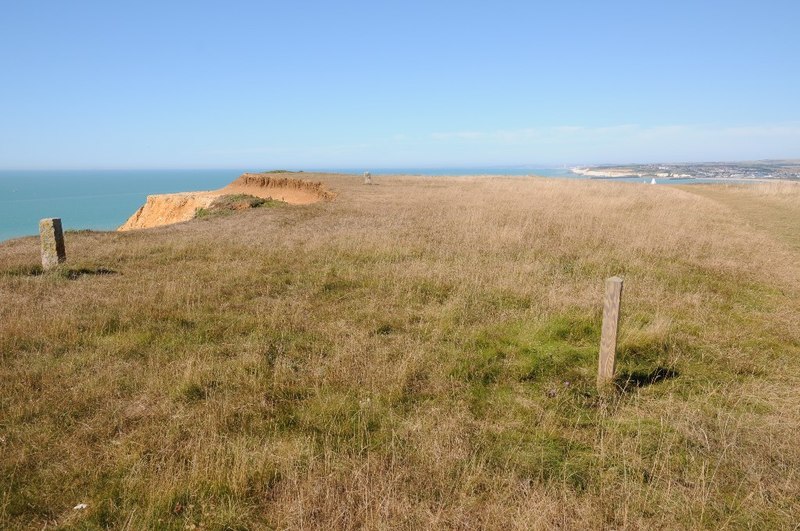
The Wildflowers of Seaford Head — A Summer Walker's Field Guide
Chalk grassland is the most crowded plant habitat in Britain, and Seaford Head has one of the best stretches of it in East Sussex. Here is what flowers when, from the green-winged orchids beside the golf course fairways in May to the rare moon carrot on the cliff edge above Hope Gap in September, and where to stand to see each one.
30 August 2026Discover Seaford6 min read
History & Heritage
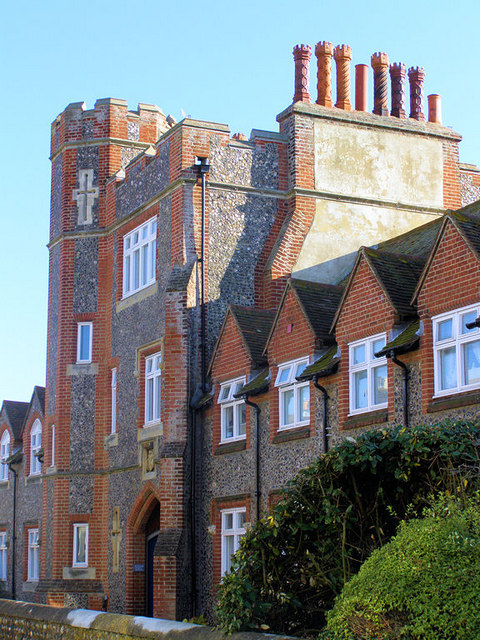
The Fitzgerald Almshouses — Croft Lane's Gothic Charity (1864)
In 1858 John Purcell-Fitzgerald, elder brother of the poet who translated the Rubaiyat of Omar Khayyam, signed away more than fifty properties to house Seaford's labouring poor. Six years later the castellated almshouses rose in Croft Lane, flint and red brick with mock-Tudor chimneys and the Fitzgerald war cry carved above the arch. They are still housing people in need today, freshly rebuilt at a cost of nearly two million pounds.
23 August 2026Discover Seaford7 min read
People & Places
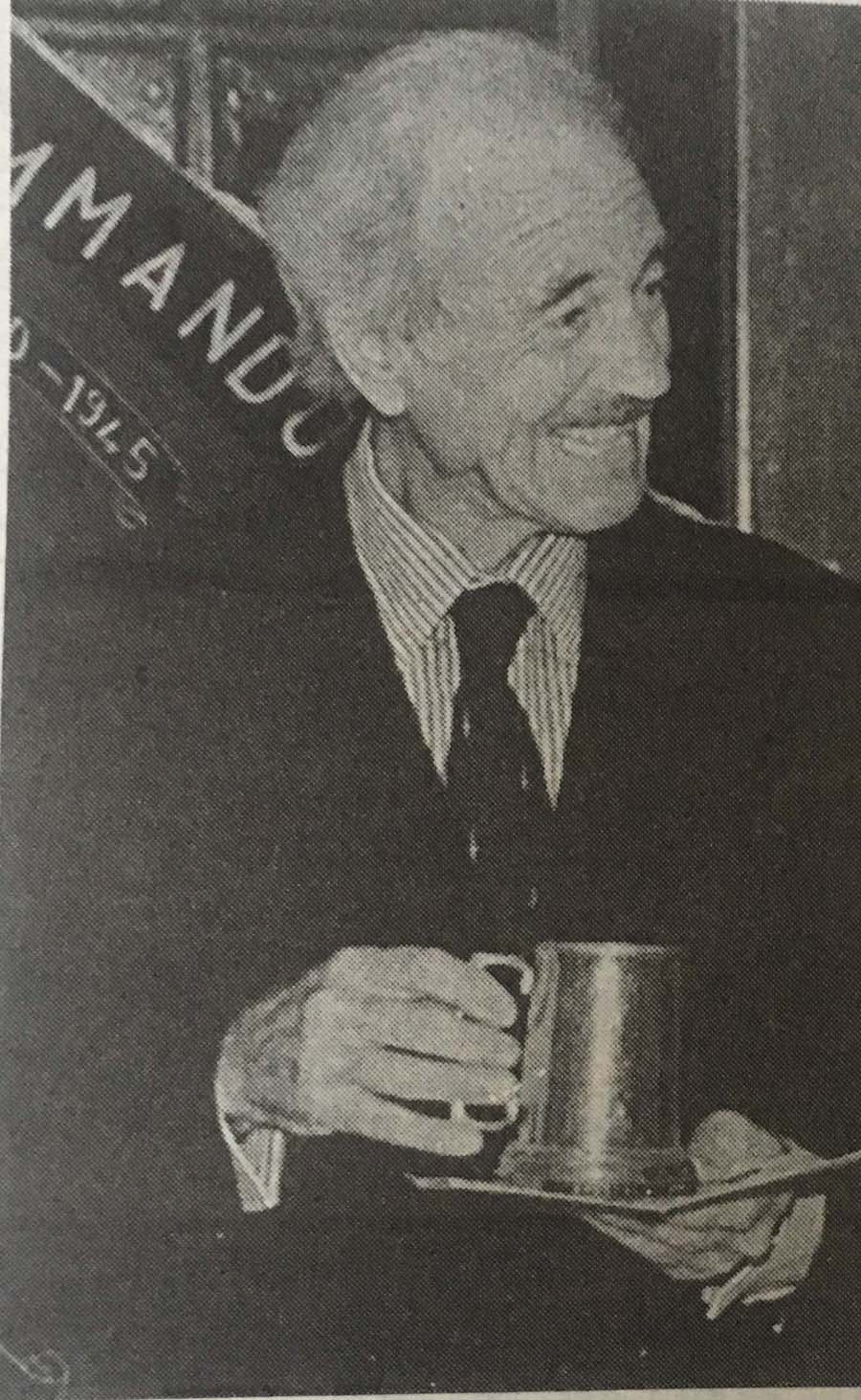
Major Leslie Callf MC and Bar — Seaford's Commando Hero Turned Nurseryman
Born in Seaford in 1915, Leslie Callf led 5 Troop of No. 9 Commando through the Garigliano raids, Anzio and the terrible fighting on Monte Ornito, winning the Military Cross twice. Then he came home to run Rosedene Nurseries, and returned to Italy every year to lay a wreath at the cairn he helped build for his fallen comrades.
16 August 2026Discover Seaford5 min read
People & Places
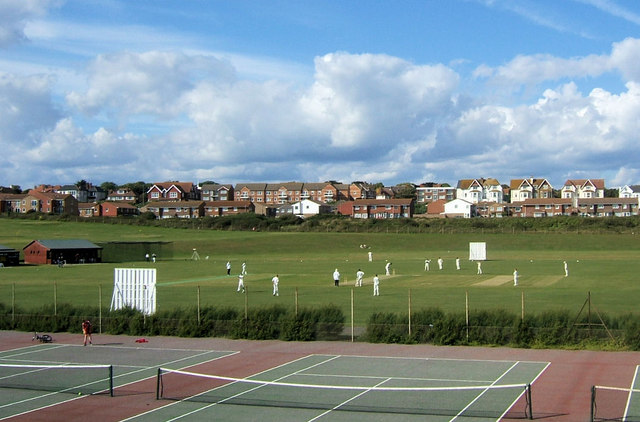
Captain Lewis Crook — Seaford's Sporting Godfather
His name is on the founding records of Seaford Cricket Club, the Seaford Rovers football club and, at one remove, the town's volunteer fire brigade. Captain Lewis Crook was the Victorian who seems to have started everything in Seaford that involved a pitch or a uniform, and yet almost nothing about the man himself is settled, including whether the cricket club really began in 1860 or thirty years later.
9 August 2026Discover Seaford6 min read
History & Heritage
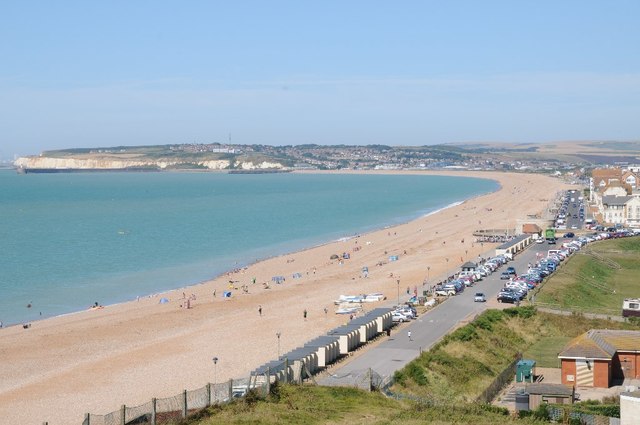
How Seaford Lost Its Sea: The 1539 Diversion of the Ouse
For centuries the River Ouse reached the sea under Seaford Head, and the harbour it made turned a Sussex village into a Cinque Port with two Members of Parliament. Then, in 1539, commissioners of sewers cut a new outlet through the shingle three miles west at Meeching. The village was renamed New Haven. Seaford was left with a beach. The strangest part of the story is that nobody was trying to take the town's harbour away: the cut was a farmers' land-drainage scheme, paid for by a tax on flooded fields twenty miles inland.
2 August 2026Discover Seaford7 min read
History & Heritage
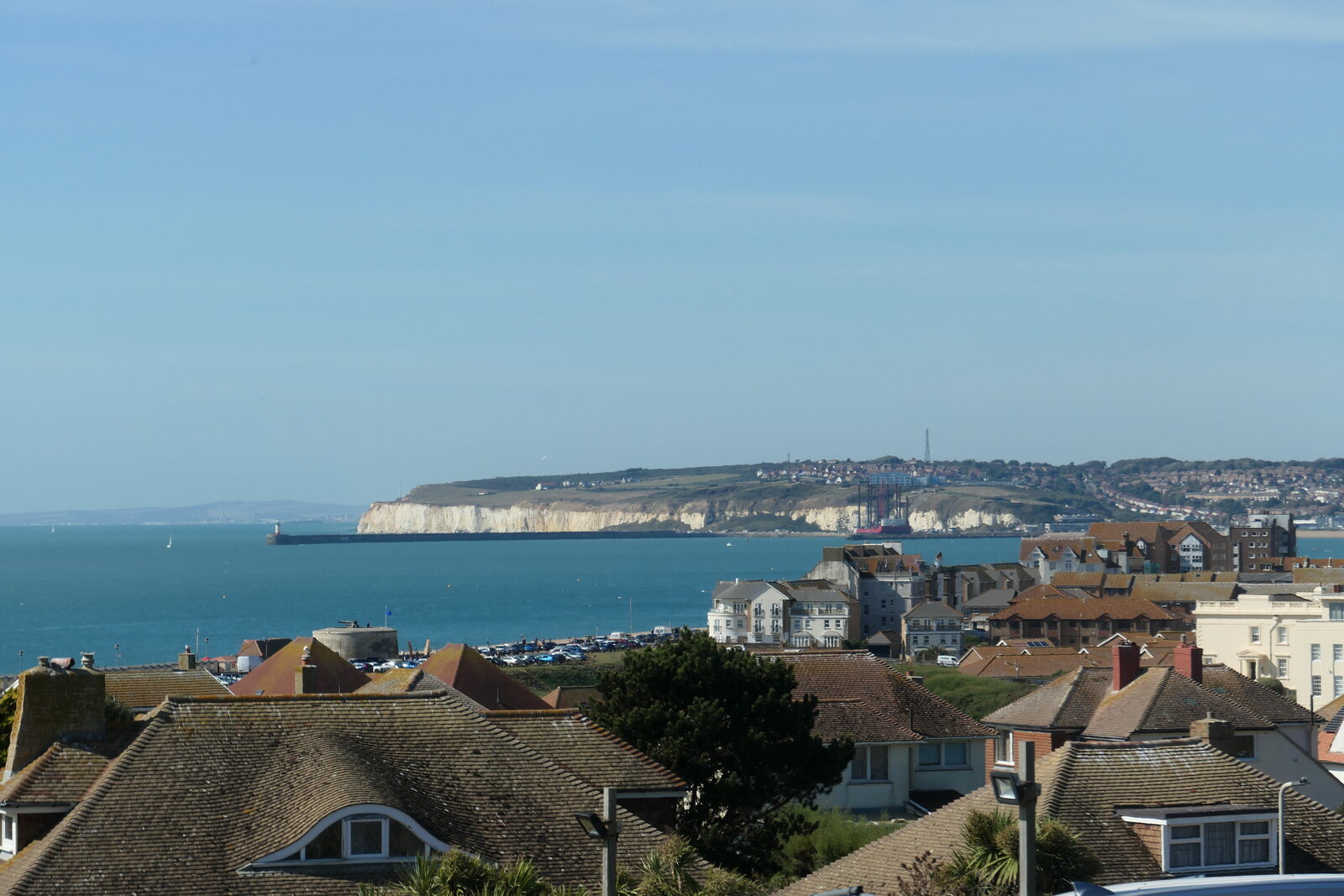
French Pirates and the Three Burnings of Seaford
Long before the smugglers and the Martello tower, Seaford was a front-line Cinque Port on a hostile channel. Between 1339 and 1545 French raiders burned the town down and it was rebuilt at least three times, once so completely that the record calls it "in ruins and deserted". The story runs from the opening campaigns of the Hundred Years War, through a 15th century attempt to move the entire town to Seaford Head, to the 1,500 French troops who landed at the Buckle in July 1545 and were driven back into the sea by Sussex longbowmen.
26 July 2026Discover Seaford6 min read
History & Heritage
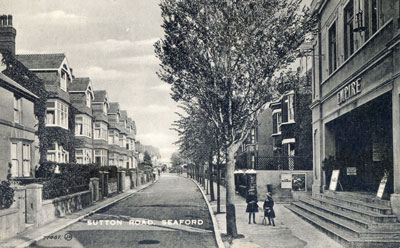
The 1939 Empire Cinema Fire and the Death of Fireman Fred Mace
In the early hours of 1 March 1939, the Empire Cinema on Sutton Road burned down in a February gale, and Seaford volunteer fireman Fred Mace, 42, was killed when his 40-foot escape ladder was blown to the ground. This is the story of the town's short-lived picture palace, the night it was lost, and the hero's funeral that followed, when Mace's coffin was carried through the streets on a brand-new fire engine beneath seventy floral tributes.
19 July 2026Discover Seaford4 min read
History & Heritage
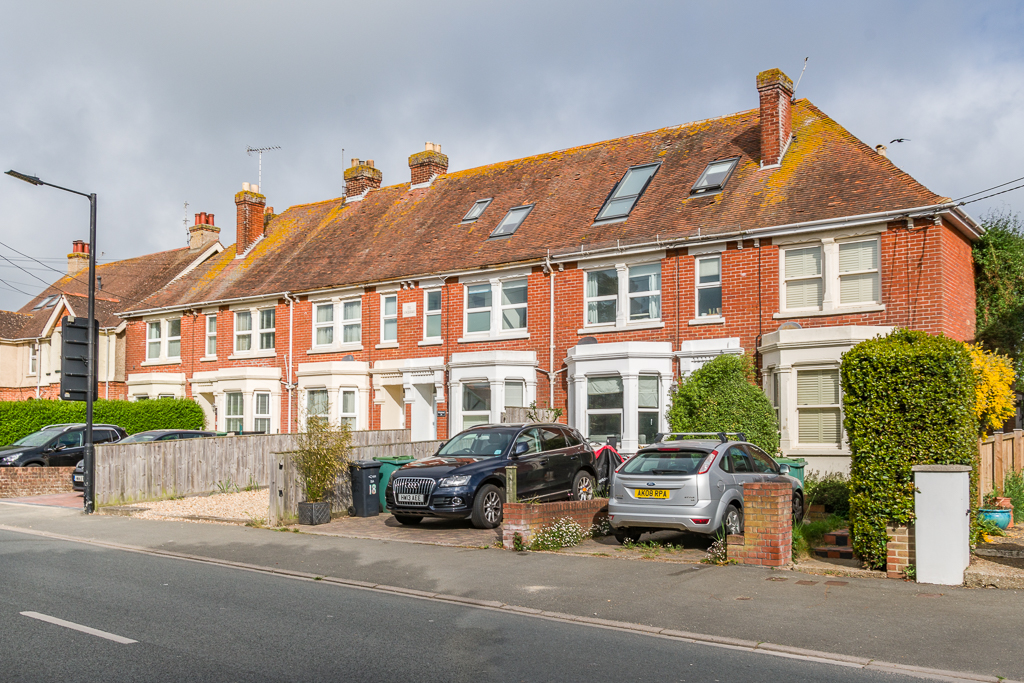
Prunella Briance and the Birth of the National Childbirth Trust in Seaford
In 1956 Prunella Briance placed a small advertisement in The Times announcing that a Natural Childbirth Association was to be formed. From that notice grew the National Childbirth Trust, the UK's largest parenting charity, whose once radical ideas (fathers in the delivery room, mothers making their own decisions) became standard practice. From 1962 to 1970 Briance lived at Lavender Cottage on Steyne Road in Seaford, on ground that once formed the quayside of the town's medieval harbour, and a blue plaque marks the spot today.
12 July 2026Discover Seaford5 min read
People & Places
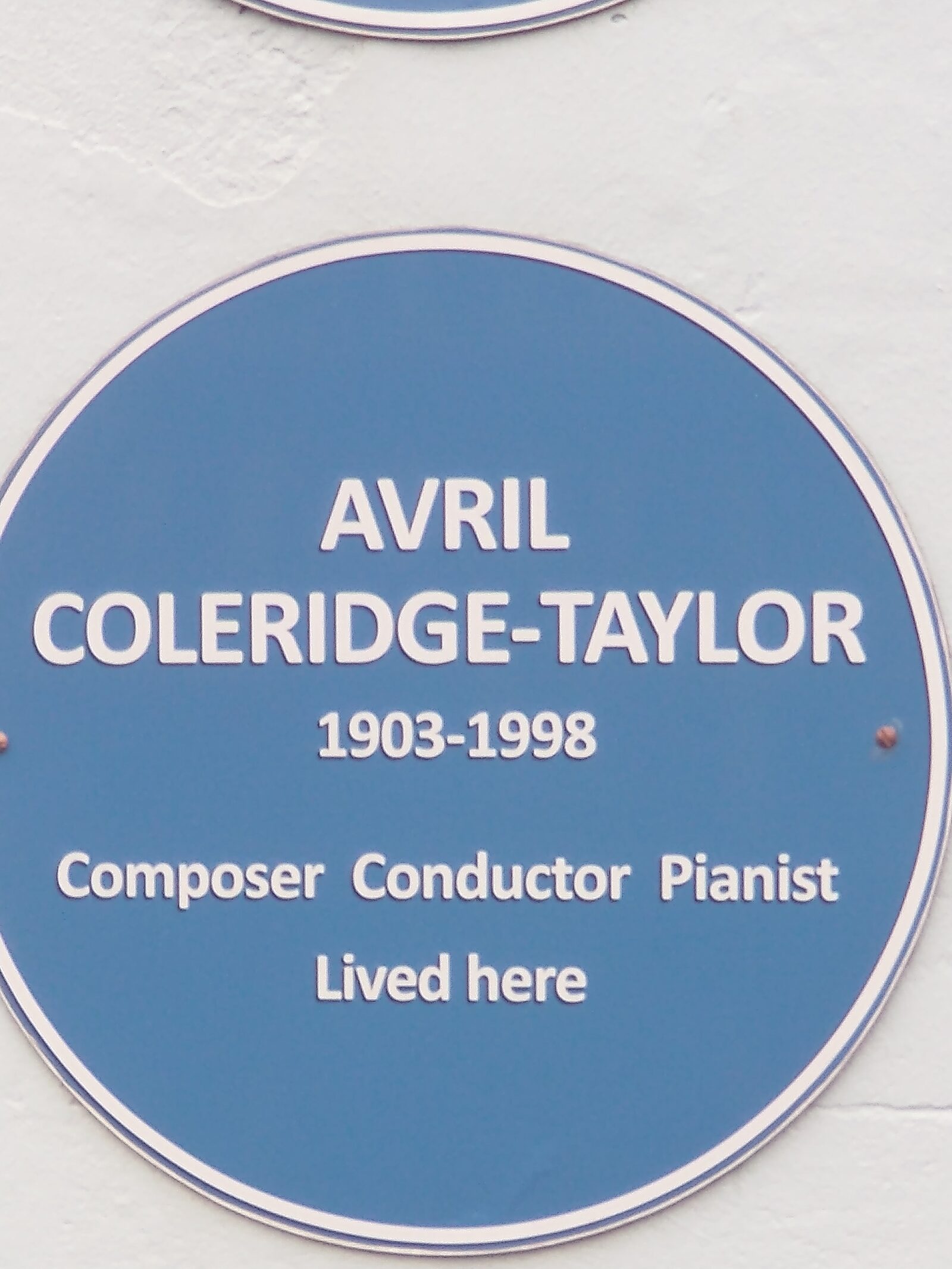
Avril Coleridge-Taylor — The Seaford Composer Silenced by Apartheid
Avril Coleridge-Taylor conducted at the Royal Albert Hall in 1933, was the first woman to conduct the band of the Royal Marines, and flew to Johannesburg on the world's first commercial jet flight in 1952. On that same trip the apartheid government discovered her Black heritage and banned her from working, so she kept composing under the pseudonym Peter Riley. She spent her final years at Stone's House on Crouch Lane in Seaford, where a blue plaque now remembers her.
5 July 2026Discover Seaford5 min read
History & Heritage
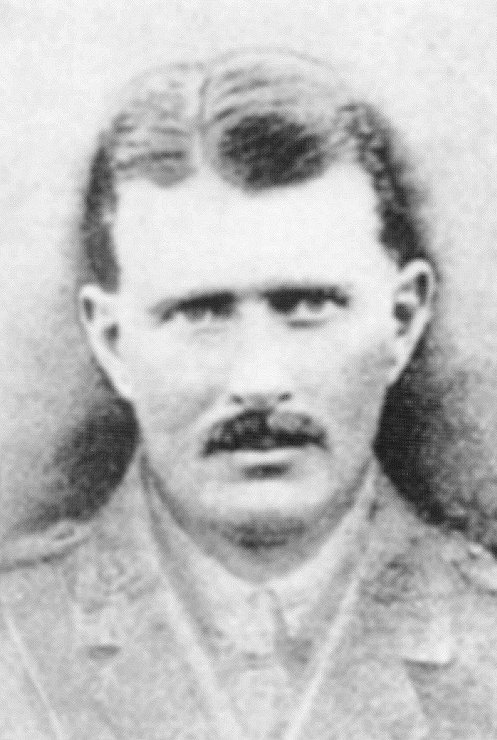
Cuthbert Bromley VC — Seaford's "Six VCs Before Breakfast" Hero
Major Cuthbert Bromley, whose family home was Sutton Corner, is the only Victoria Cross holder commemorated on Seaford's war memorial. In April 1915 he helped the Lancashire Fusiliers fight ashore at W Beach, Gallipoli, in the action remembered as the regiment's "six VCs before breakfast," then died when his troopship was torpedoed that August. A century later the town laid a commemorative paving stone in his name.
28 June 2026Discover Seaford5 min read
History & Heritage
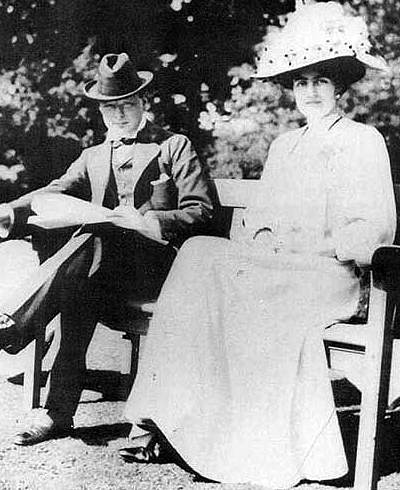
Clementine Churchill's Seaford Childhood
Before she became the most influential prime ministerial wife of the twentieth century, Clementine Hozier spent her childhood summers in furnished rooms on Pelham Road, Seaford. This is the story of those years from 1895 to 1899, her mother Lady Blanche's secrets and money troubles, the sudden flight to Dieppe in 1899, and what stands on the old terrace today.
21 June 2026Discover Seaford5 min read

People & Places
Henry Coxwell: The Seaford Balloonist Who Touched the Stratosphere
He gave up a respectable career as a dentist to fly balloons, and on 5 September 1862 Henry Coxwell carried James Glaisher higher than any human had ever been, pulling the valve cord with his teeth to save both their lives when his hands froze. He spent his last years in Seaford, running a balloon factory on Richmond Road. This is the story of the town's forgotten aeronaut.
14 June 2026Discover Seaford5 min read
History & Heritage
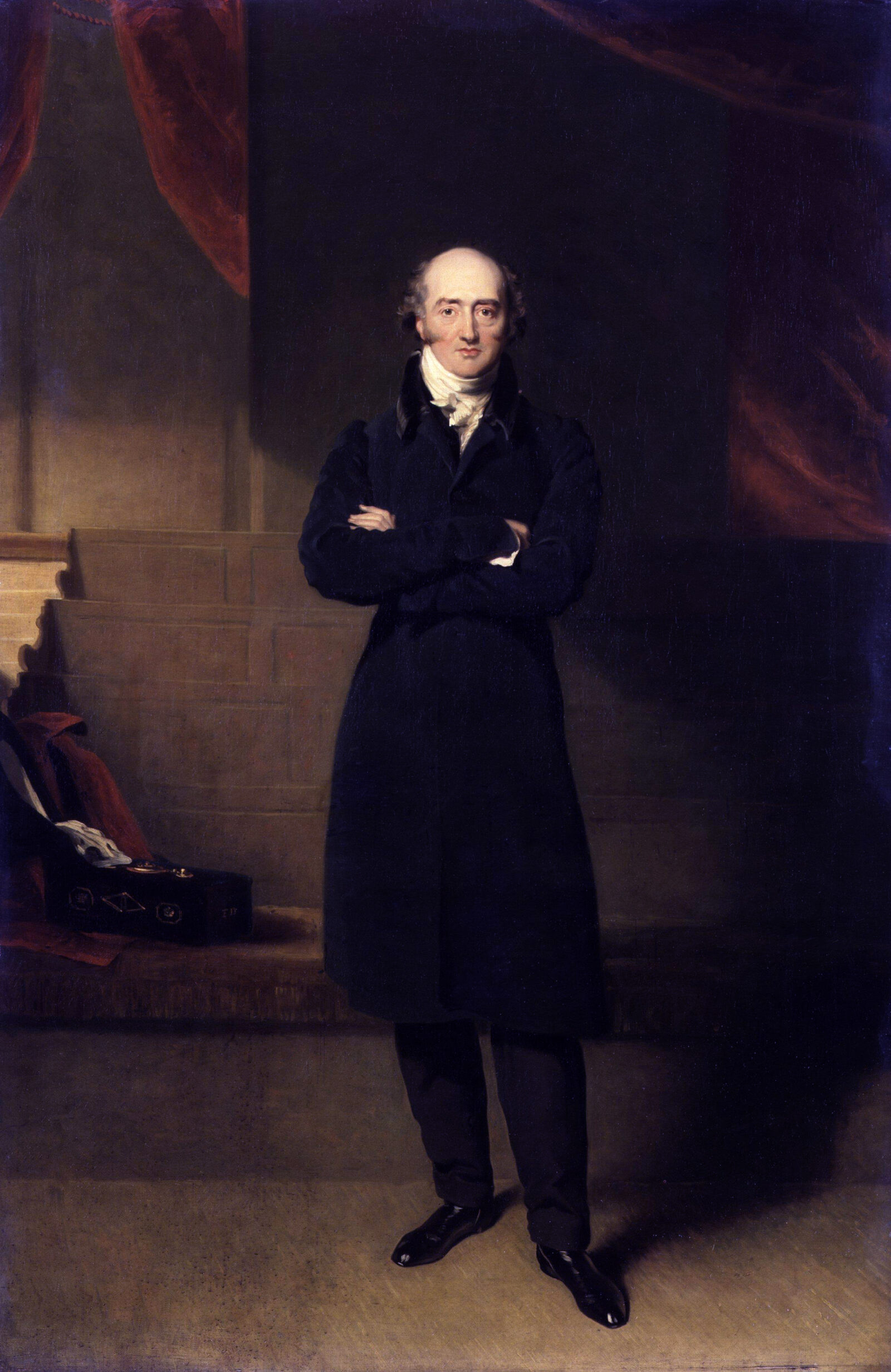
George Canning — The Seaford MP Who Was Britain's Shortest-Serving PM (Until Liz Truss)
For four months in 1827, the MP for the small Sussex town of Seaford was also the Prime Minister of the United Kingdom. George Canning lodged at Seaford House on Crouch Lane to represent what was then a rotten borough, walked Seaford Head before breakfast, and governed for just 119 days before dying in office. It was the shortest premiership in British history until Liz Truss in 2022.
7 June 2026Discover Seaford6 min read
People & Places
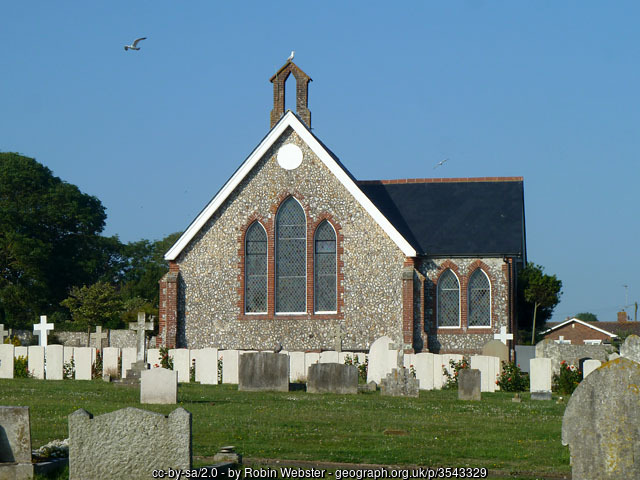
The Johnnie Walker "Striding Man" Was Drawn in Seaford
The Johnnie Walker Striding Man is one of the most recognised logos on earth, and the version still in use was drawn by Leo Cheney, a cartoonist who lived on Sutton Avenue and is buried in Seaford Cemetery. The story of how a Lancashire bank clerk gave a global whisky brand its definitive walk, with a final chapter in a quiet Sussex town.
31 May 2026Discover Seaford5 min read
History & Heritage
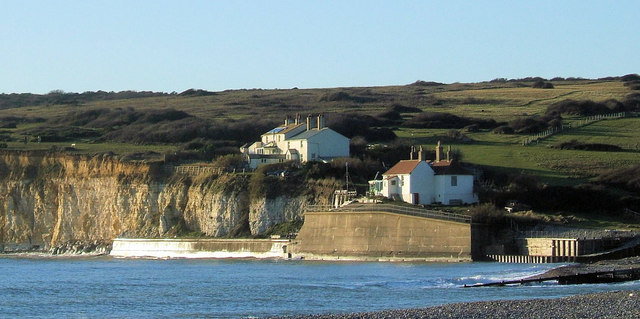
The Smugglers of Seaford: Free Trade on the Sussex Coast
Through the 18th and early 19th centuries, Seaford and the neighbouring Cuckmere Haven were among the most productive landing grounds in the smuggling capital of England. Gangs of 200 or 300 men, French luggers anchored offshore, revenue officers tied up and tipped into ditches, and a town that quietly chose sides. This is the story of Seaford's free traders.
24 May 2026Discover Seaford7 min read
Sports & Leisure
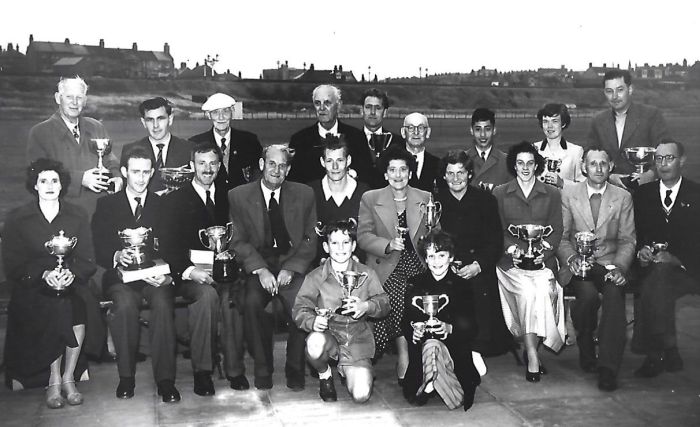
Cricket Below Sea Level: The Story of The Salts
How a strip of drained salt marsh, kept dry only by Seaford's shingle bank, became the permanent home of the town's cricket, rugby and football clubs. The Salts Recreation Ground has hosted competitive sport since 1923, with cricket records going back to 1776 and a 1949 festival match umpired by Jack Hobbs.
17 May 2026Discover Seaford6 min read
History & Heritage
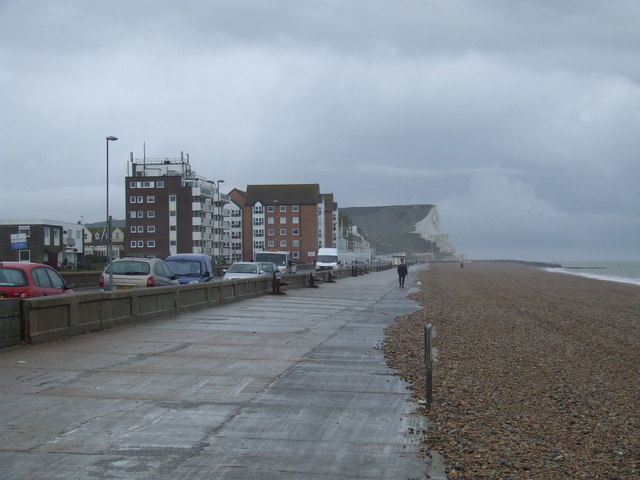
Seaford's Victorian Heyday: How the Railway Tried to Build a Second Brighton
When the railway arrived on 1 June 1864, Seaford set out to reinvent itself as a fashionable seaside resort. Hotels rose along the seafront, bathing machines lined the shingle, terraces in Brighton style climbed the slope behind the Esplanade, and even Edward VII came to stay. But the South Coast had other plans.
10 May 2026Discover Seaford6 min read
Nature & Wildlife
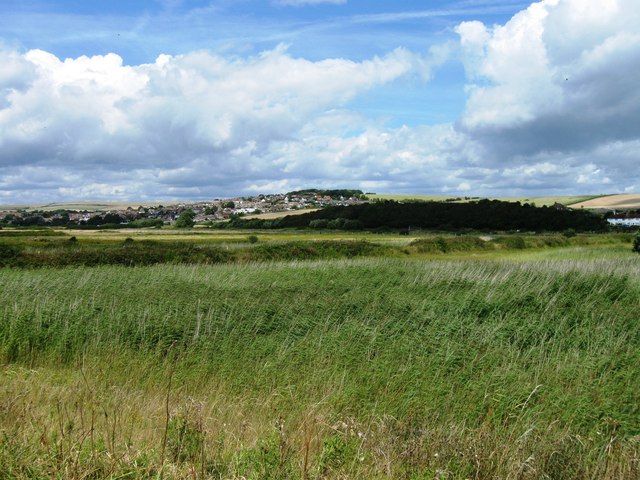
The Ouse Estuary: The River That Made and Unmade Seaford
For centuries the River Ouse was Seaford's lifeline, feeding a tidal lagoon that made the town a Cinque Port. In 1539 the river walked away, leaving a marsh and a beach. Today's Ouse Estuary Nature Reserve, the Cuckmere meanders restoration and the local Renaturing Seaford project are slowly inviting the water back.
3 May 2026Discover Seaford7 min read
History & Heritage
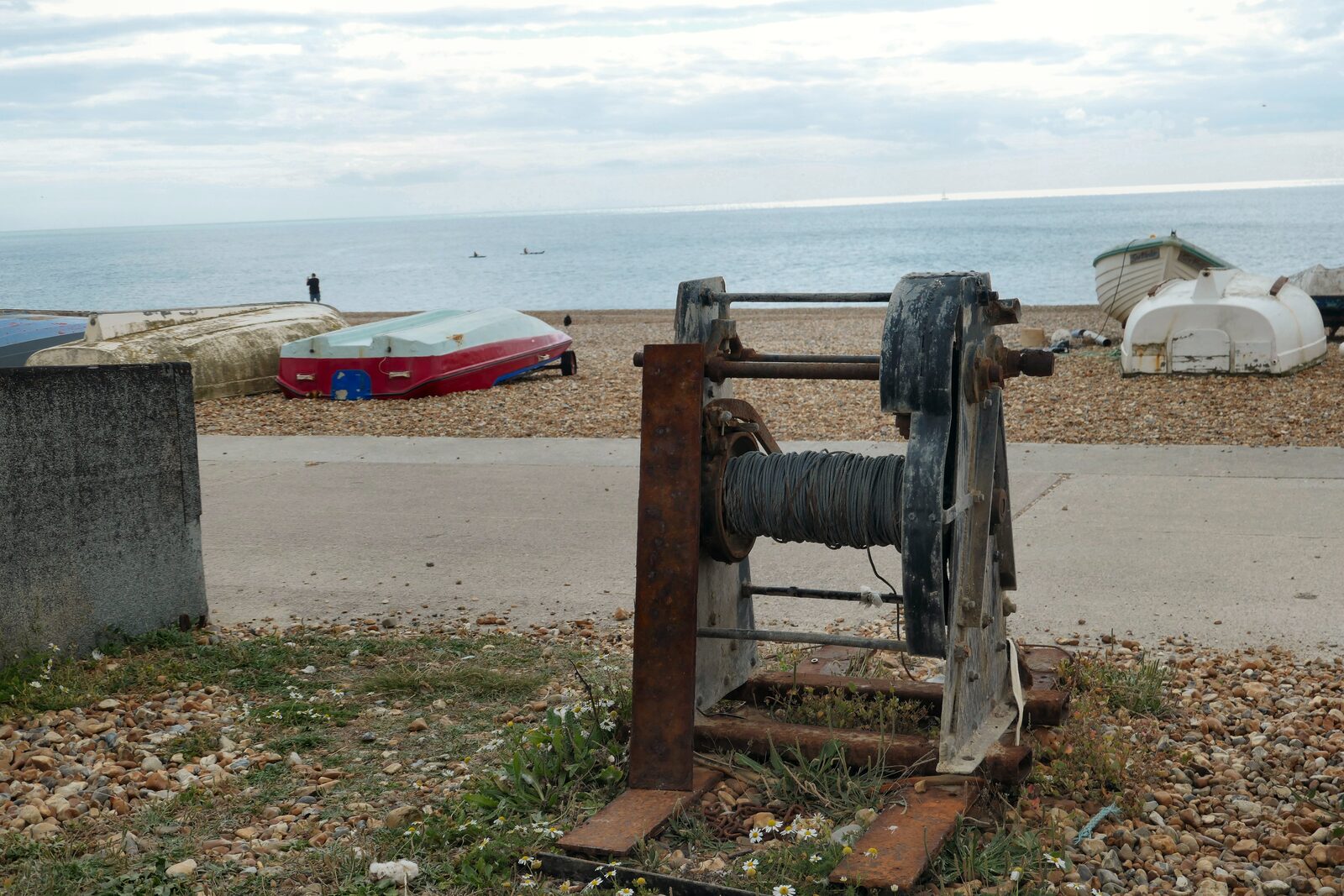
From Cinque Port to Beach Boats: Seaford's Fishing Industry
Seven hundred years ago Seaford was a Cinque Port whose fishermen sailed to Norfolk every autumn for the herring. By 1596 the fleet was down to one boat. The wooden hulls drawn up by winches at the eastern end of the beach today are the quiet last chapter of a very long story.
26 April 2026Discover Seaford6 min read
History & Heritage
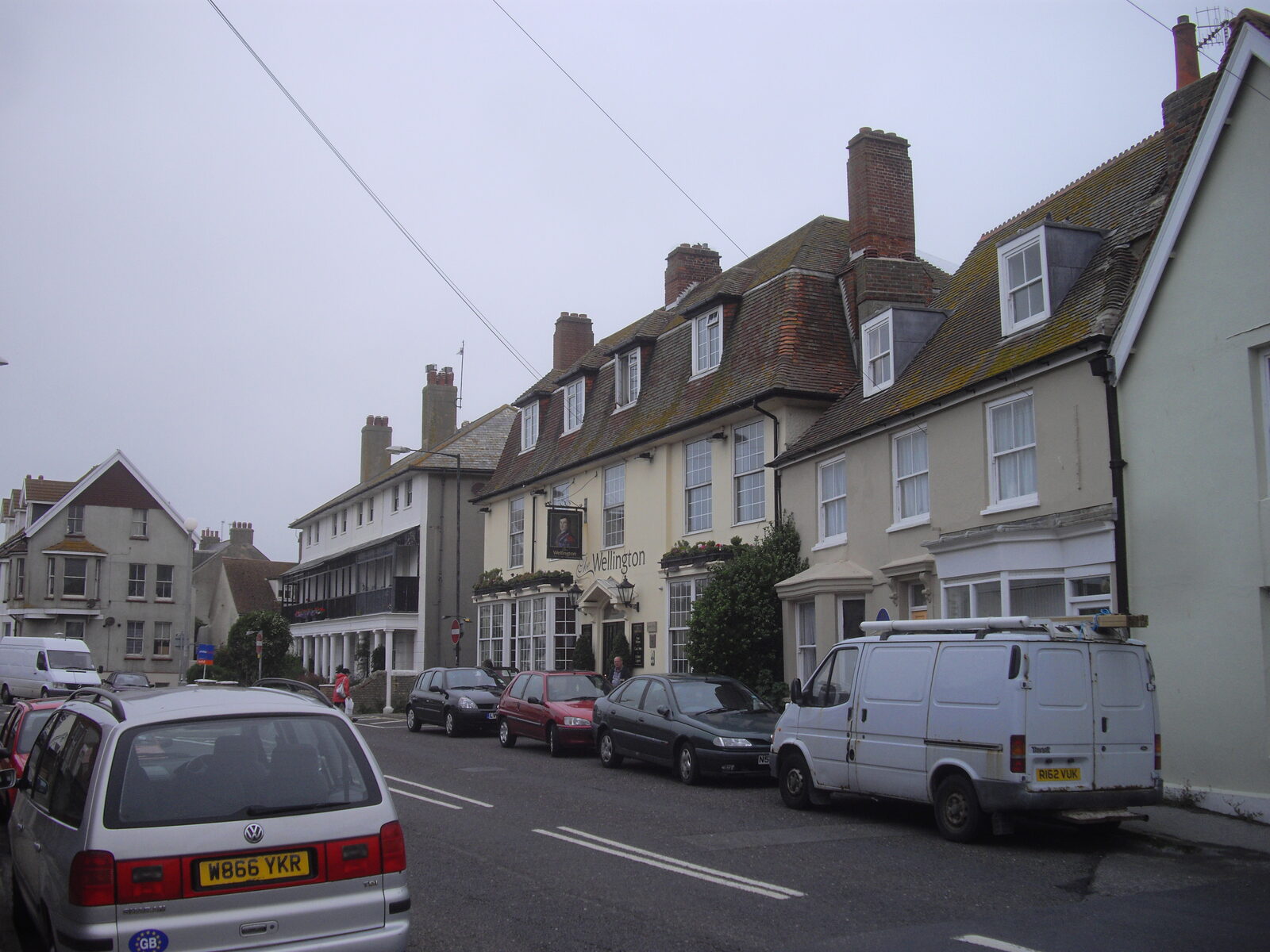
Seaford's Pubs: A History of the Town's Drinking Establishments
From 18th-century coaching inns that hosted political intrigue to Victorian seaside hotels that welcomed royalty, Seaford's pubs tell the story of the town itself. Here's a tour through the centuries of the Wellington, the Old Plough, the White Lion, and the inns that have long since disappeared.
19 April 2026Discover Seaford6 min read
History & Heritage
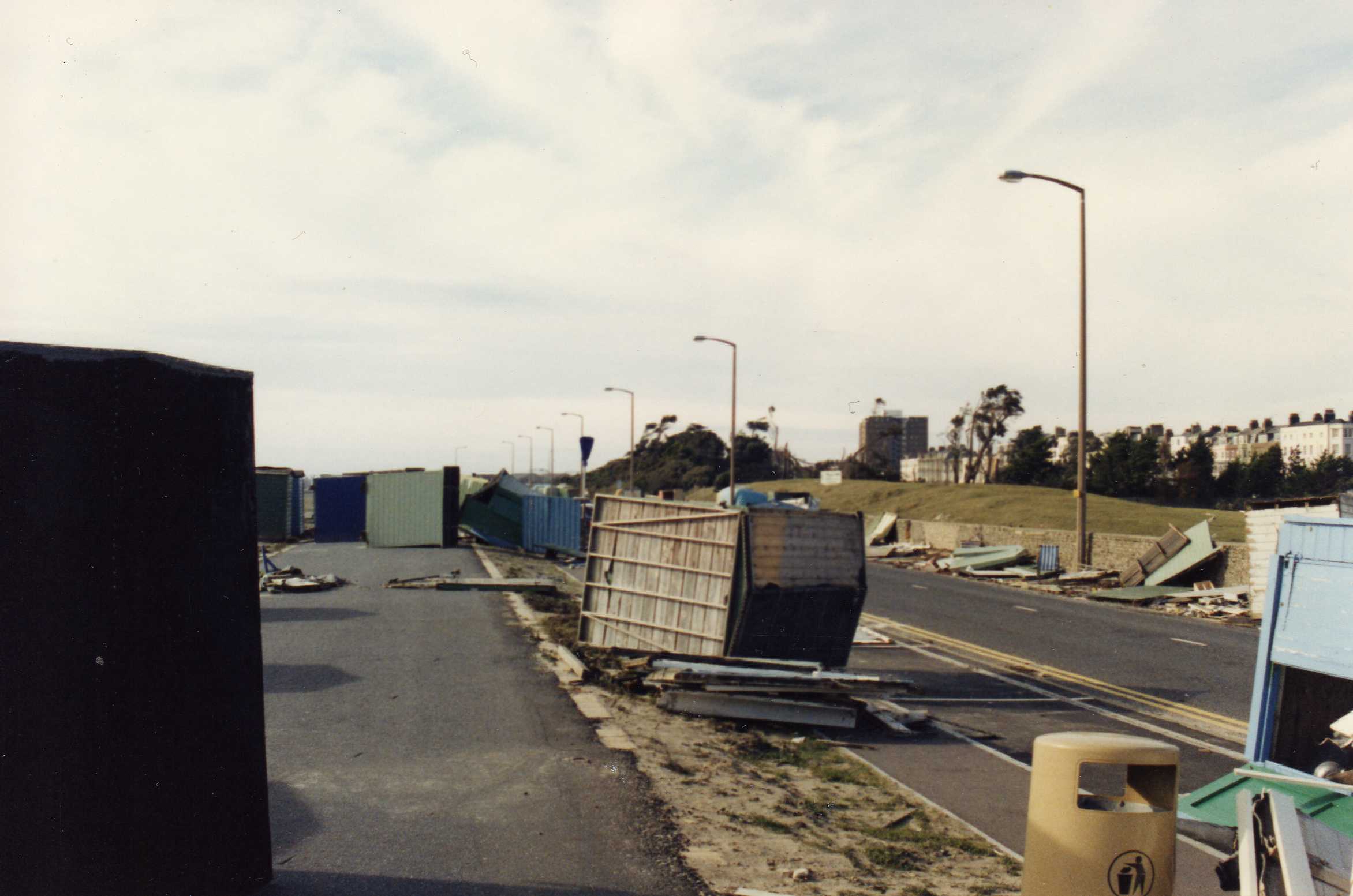
The Great Storm of 1987: The Night That Changed Seaford's Landscape
On the night of 15-16 October 1987, hurricane-force winds tore across Sussex at speeds exceeding 100mph. In Seaford, caravans were destroyed, freshly laid beach shingle was stripped away, and the ancient woodlands of the South Downs were changed forever.
12 April 2026Discover Seaford6 min read
History & Heritage
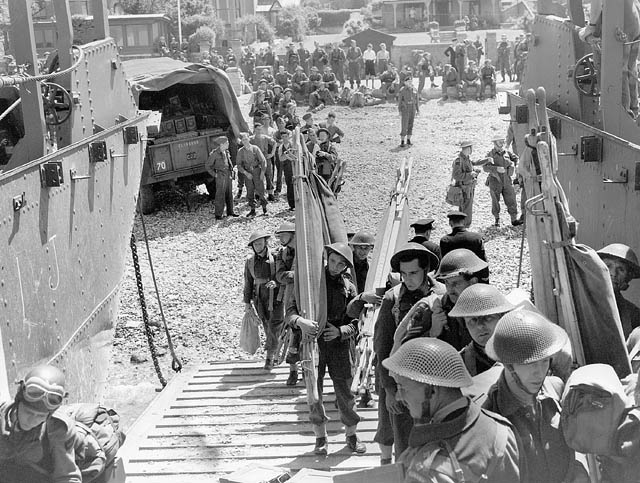
WWII in Seaford: Military Camps, Canadian Troops and D-Day Preparations
During the Second World War, Seaford was transformed into a military town. Canadian troops filled the schools, tanks lined the streets, and the abandoned village of Tide Mills became a live-fire training ground. From the Dieppe Raid to D-Day, here's how the war shaped Seaford.
5 April 2026Discover Seaford6 min read
History & Heritage
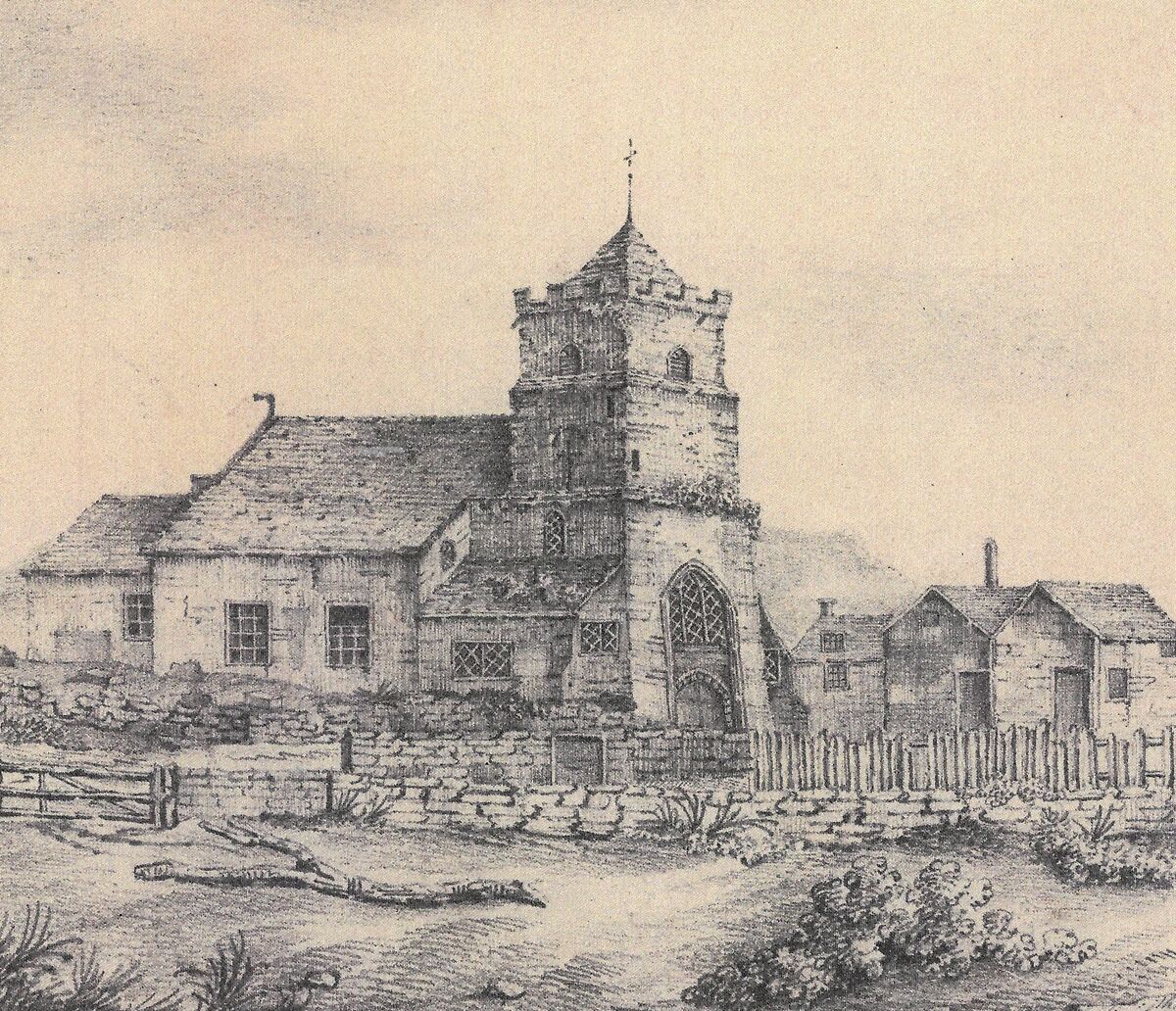
The Cinque Ports Connection: Seaford's Medieval Power and Decline
For centuries, Seaford was one of the most important ports on the Sussex coast, a corporate limb of Hastings in the powerful Cinque Ports confederation. Ships, trade, parliamentary privilege, and royal charters made the town prosperous. Then the sea took it all away.
30 March 2026Discover Seaford5 min read
History & Heritage
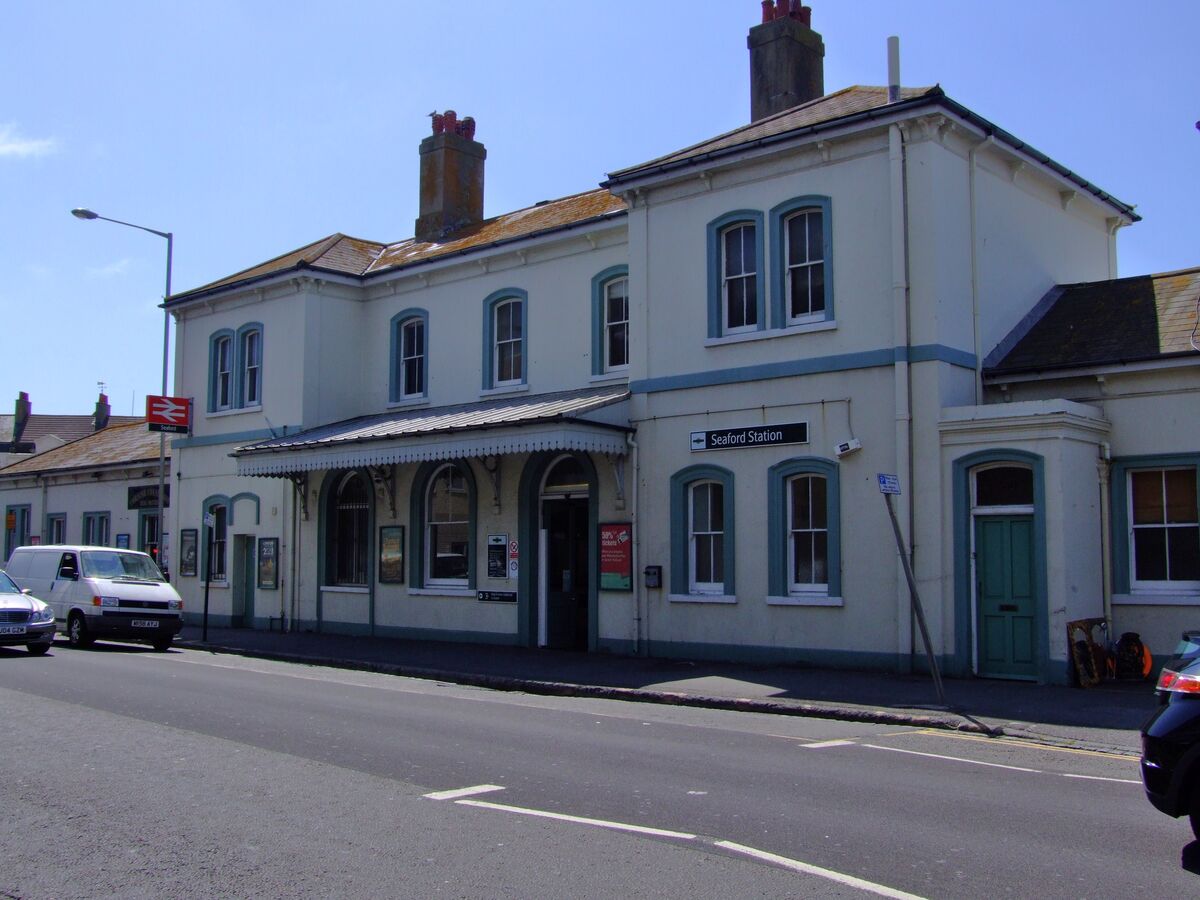
How the Railway Transformed Seaford
When the railway reached Seaford in 1864, it transformed a quiet coastal village into a thriving seaside town. Here's the story of the line that changed everything.
23 March 2026Discover Seaford5 min read
Walking Guides
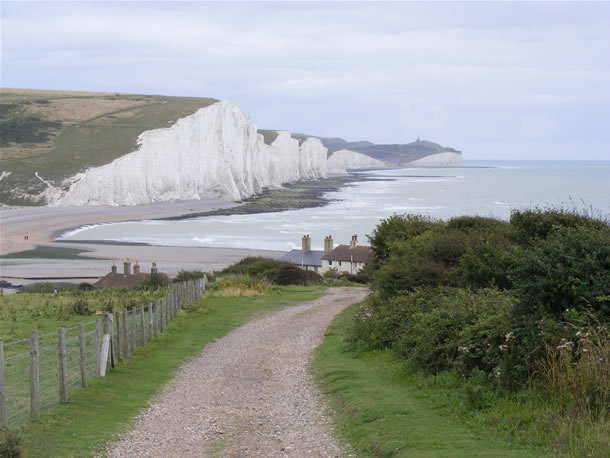
The King Charles III England Coast Path: Seaford's Place on the World's Longest Coastal Walk
On 19 March 2026, King Charles III walked a stretch of the Seven Sisters coastline to officially launch the path that bears his name, a 2,700-mile trail around the entire English coast. Here's what it means for Seaford.
23 March 2026Discover Seaford6 min read

History & Heritage
The Lost Village of Tide Mills: Seaford's Industrial Ghost Town
Just east of Seaford lies the haunting remains of Tide Mills, a once-thriving village built around an ingenious tidal mill that ground grain using the power of the sea. Abandoned in the 1930s and demolished after WWII, its ruins tell a remarkable story.
19 March 2026Discover Seaford4 min read
History & Heritage
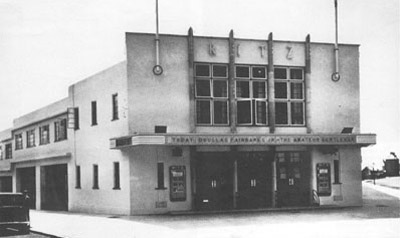
Seaford's Three Cinemas: A Century of Silver Screen Entertainment
From the Brooklyn Road Picture Theatre in the early 1900s to the art deco Ritz, Seaford once boasted three cinemas serving a town of just a few thousand people. Here's the story of all three.
18 March 2026Discover Seaford4 min read

Walking Guides
Walking Seaford Head: A Complete Guide to the Nature Reserve
Seaford Head Local Nature Reserve offers 83 hectares of chalk grassland, dramatic cliff views, and some of the best wildflower displays in Sussex. Here's everything you need to know for your visit.
17 March 2026Discover Seaford5 min read
History & Heritage
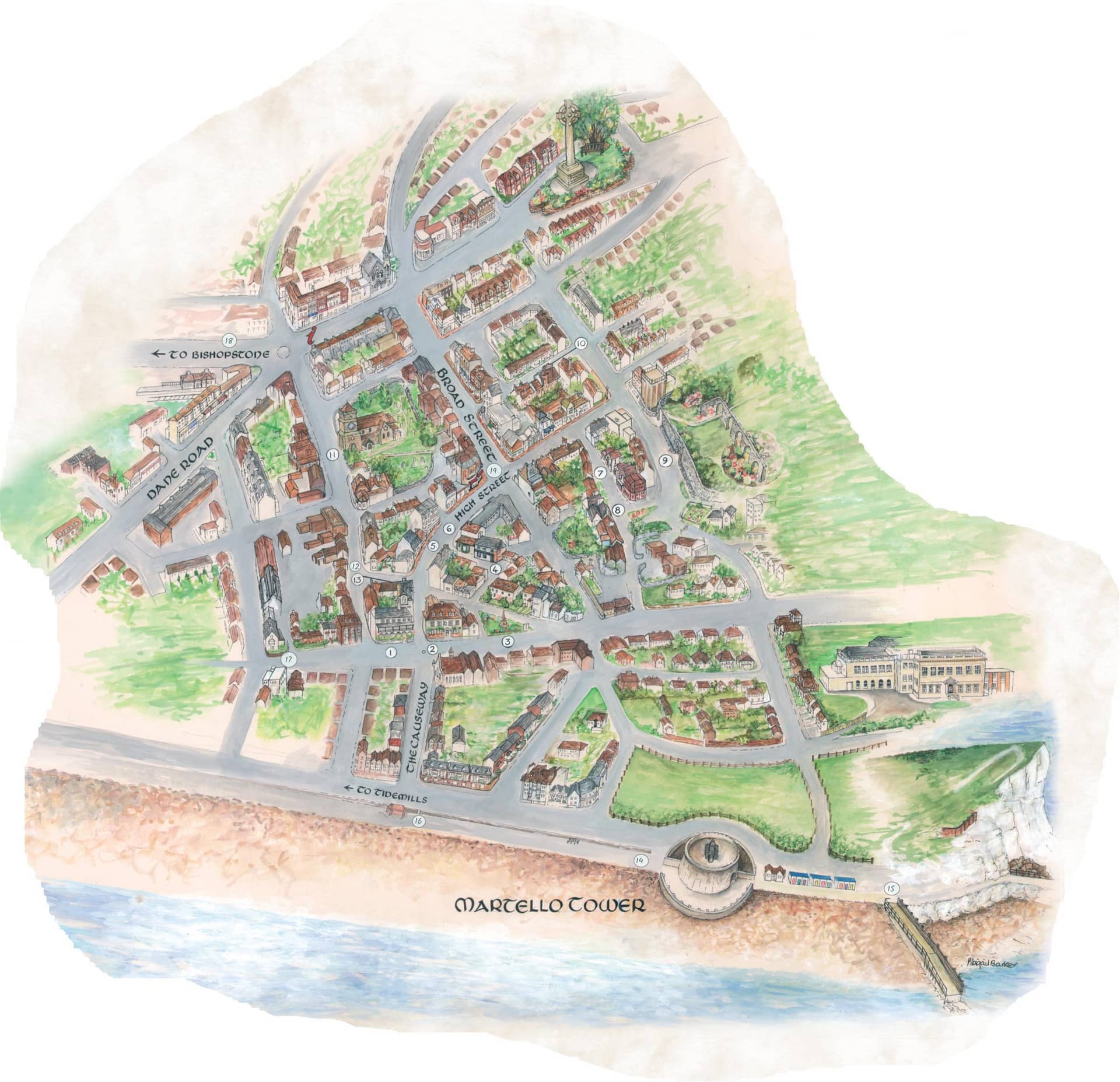
The Martello Tower: How Seaford's Napoleonic Fort Became a Museum
Martello Tower No. 74 on Seaford's Esplanade was built to defend against Napoleon. Two centuries later, it houses one of Sussex's most charming small museums.
15 March 2026Discover Seaford4 min read
History & Heritage
Seaford's Blue Plaques: The People Who Shaped the Town
Walk through Seaford and you'll spot blue heritage plaques marking the homes and workplaces of notable residents. Here's a guide to who they commemorate and where to find them.
12 March 2026Discover Seaford3 min read
Walking Guides
Seven Sisters & Cuckmere Haven: The Complete Visitor Guide
The Seven Sisters chalk cliffs and Cuckmere Haven are Seaford's most famous natural landmarks. Here's everything you need to know, walks, wildlife, getting there, and where to eat afterwards.
10 March 2026Discover Seaford6 min read