The Great Storm of 1987: The Night That Changed Seaford's Landscape
On the night of 15-16 October 1987, hurricane-force winds tore across Sussex at speeds exceeding 100mph. In Seaford, caravans were destroyed, freshly laid beach shingle was stripped away, and the ancient woodlands of the South Downs were changed forever.
'Don't Worry, There Isn't a Hurricane'
On the evening of 15 October 1987, BBC weatherman Michael Fish delivered what would become the most infamous forecast in British broadcasting history. 'Earlier on today, apparently, a woman rang the BBC and said she heard there was a hurricane on the way,' he told viewers. 'Well, if you're watching, don't worry, there isn't.'
Hours later, the most violent storm to hit south-east England in nearly three centuries struck with devastating force. A rapidly deepening depression had crossed the Bay of Biscay on an unexpectedly tight track, catching the Met Office's forecasting models off guard. By the early hours of 16 October, winds were screaming across Sussex at speeds that shattered anemometers.
The nearest recording station at Shoreham-by-Sea registered a gust of 115mph before the instrument failed, suggesting the true peak was even higher. Off Eastbourne, the Royal Sovereign lighthouse recorded sustained winds of 86mph. At Newhaven, just four miles west of Seaford, gusts reached 84mph.
Seaford Takes a Battering
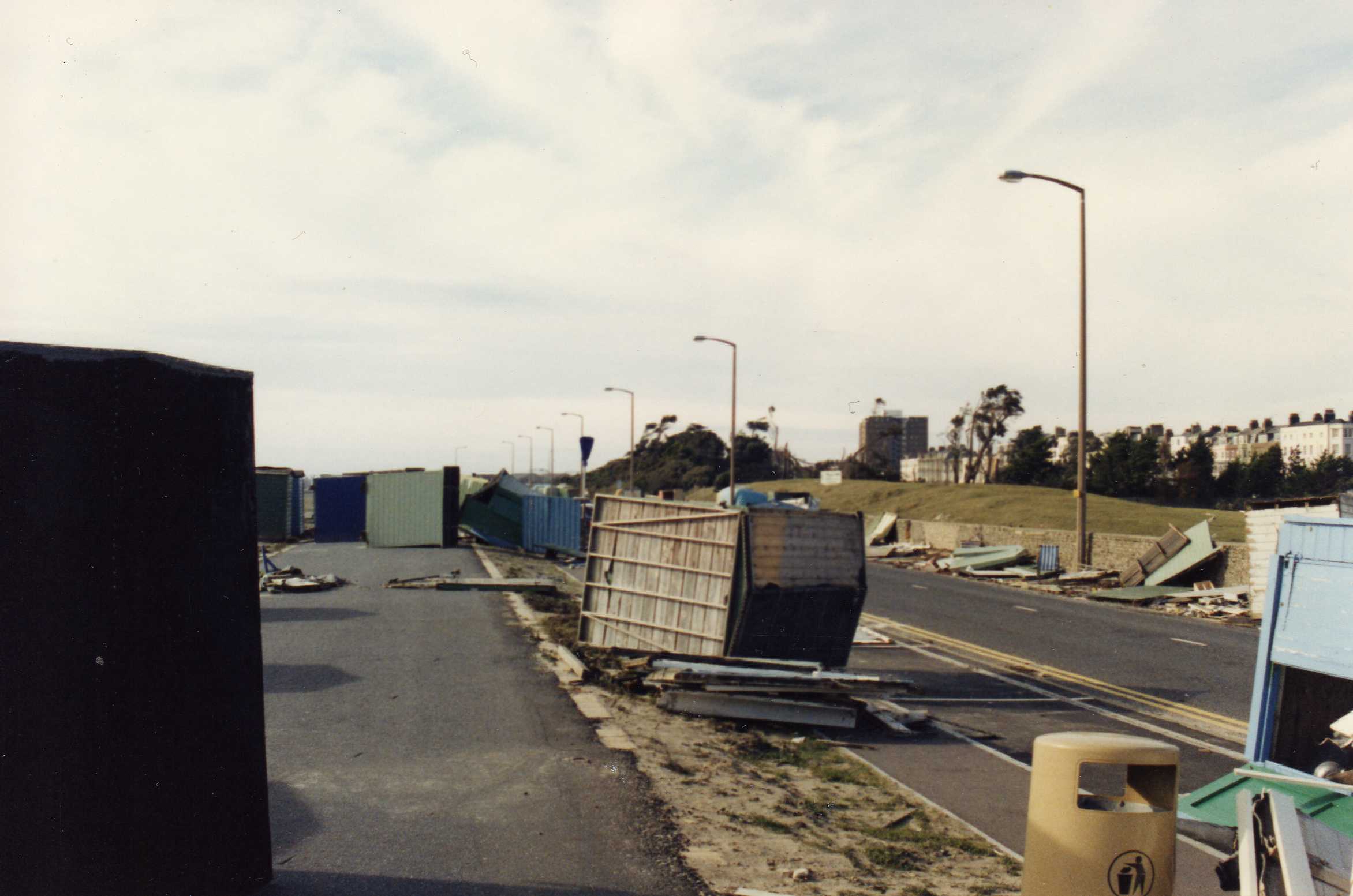
Seaford woke on the morning of 16 October to a transformed landscape. At Sunnyside Caravan Park, 13 caravans had been completely destroyed, torn apart by the wind and scattered across the site. Remarkably, nobody was injured. Had the storm arrived during daylight hours, with people moving about outdoors, the story could have been far grimmer.
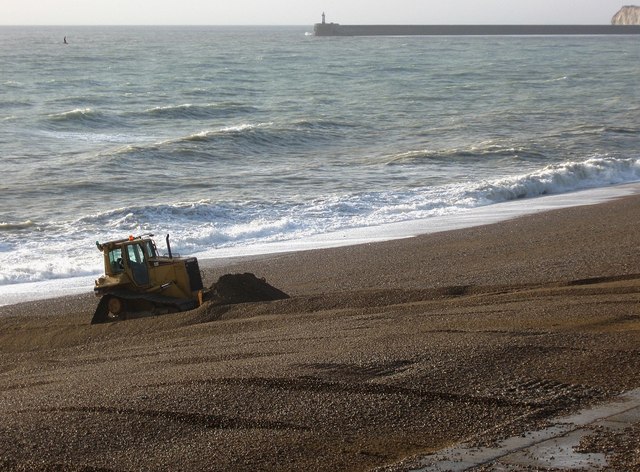
On the seafront, tons of shingle that had been freshly replenished as part of ongoing coastal defences were stripped from the beach overnight. Seaford's long battle against the sea, the town has suffered more than 20 significant floods since 1703, had taken another setback. The storm surge and waves driven by hurricane-force onshore winds battered the esplanade through the night.
Across Sussex, four people lost their lives. The national death toll reached 18, a figure kept mercifully low only because the storm struck while most people were in bed.
A County in Darkness
The storm knocked out the National Grid across the south-east, the first time it had been deliberately switched off since the Second World War. Over 3,000 electricity poles were brought down and 700 miles of overhead power lines destroyed. Four million people across 1.4 million homes and businesses lost power.
In heavily wooded areas of East Sussex, some households were without electricity for up to 15 days. Roads across the county were impassable, blocked by fallen trees and debris. Schools closed. The railway network was paralysed, more than 5,000 trees fell on tracks in the Southern Region alone.
At Seven Sisters Country Park, just east of Seaford, a team of trainee rangers discovered they could only reach the park by bridleway the following morning, as every road was blocked. When they arrived, they found what they described as 'total devastation.' Pockets of woodland had been flattened, with trees concertinaed on top of each other along old cart tracks.
The South Downs Transformed
The storm's impact on the landscape of the South Downs was profound. Some woodlands lost up to 95% of their canopy in a single night. The damage reads like a roll call of Sussex's most cherished places.
At Chanctonbury Ring, 25 miles west of Seaford, the ancient beech grove planted in the 1760s atop the prehistoric hill fort, one of the most iconic landmarks on the South Downs, lost the majority of its trees. At Stanmer Park near Brighton, huge tracts of woodland were entirely flattened. Wakehurst Place, Kew's Sussex garden, lost 25,000 trees, roughly 60% of its collection.
Nationally, an estimated 15 million trees were brought down in a single night. The financial cost exceeded £1 billion, equivalent to around £3.5 billion today.
New Life from Destruction
In the years that followed, something unexpected happened. The shattered canopies let light flood onto woodland floors that had been in shade for decades. Dormant seeds germinated. Bluebells spread dramatically. Native clematis, honeysuckle, and heather reappeared in areas where they had not been seen for over a century.
The millions of fallen trees created vast quantities of deadwood habitat. Stag beetles, saproxylic insects, and fungi flourished. Bird species including woodlark and nightjar colonised the opened canopy. Dormice, tawny owls, buzzards, and sparrowhawks all benefited from the changed habitat structure.
At Wakehurst Place, around a third of the damaged land was deliberately left to regenerate naturally rather than being replanted, a decision that proved ecologically correct. By the mid-2000s, naturally regenerated areas were thriving with greater biodiversity than replanted sections.
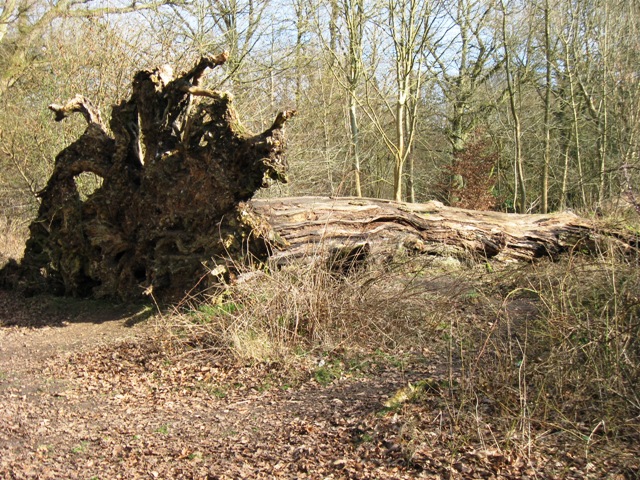
Today, nearly four decades on, walkers in the South Downs woodlands around Seaford can still find upturned chalky rootplates of large beech trees and fallen oak trunks slowly returning to the soil, quiet monuments to that extraordinary night.
A Legacy of Better Forecasting
The storm's most lasting institutional legacy was the complete overhaul of Met Office forecasting systems. New supercomputers were commissioned, weather observation networks were expanded, and the storm severity warning language used to this day was developed in direct response to the failures of October 1987.
Michael Fish, for his part, maintained that his hurricane remark referred to an Atlantic storm threatening Florida in a news item that had immediately preceded his broadcast. He was never entirely wrong, he did warn of very windy conditions, but the underestimate of what was coming became a defining moment in British meteorological history.
For Seaford and the south-east, the Great Storm of 1987 was unquestionably the most violent weather event in living memory, and by most assessments the worst since the Great Storm of 1703. It changed the landscape, reshaped the ecology, and left scars that are still visible in the woodlands of the South Downs today.
Sources: Met Office, Great Storm case study (metoffice.gov.uk (opens in a new tab)); South Downs National Park Authority, 30 years since the Great Storm (southdowns.gov.uk (opens in a new tab)); Sussex Live, The year Sussex was ravaged (sussexlive.co.uk (opens in a new tab)); Forest Research, Natural Regeneration after 1987 (forestresearch.gov.uk (opens in a new tab)); Inside Ecology, Aftermath and Lessons Learned (insideecology.com (opens in a new tab))