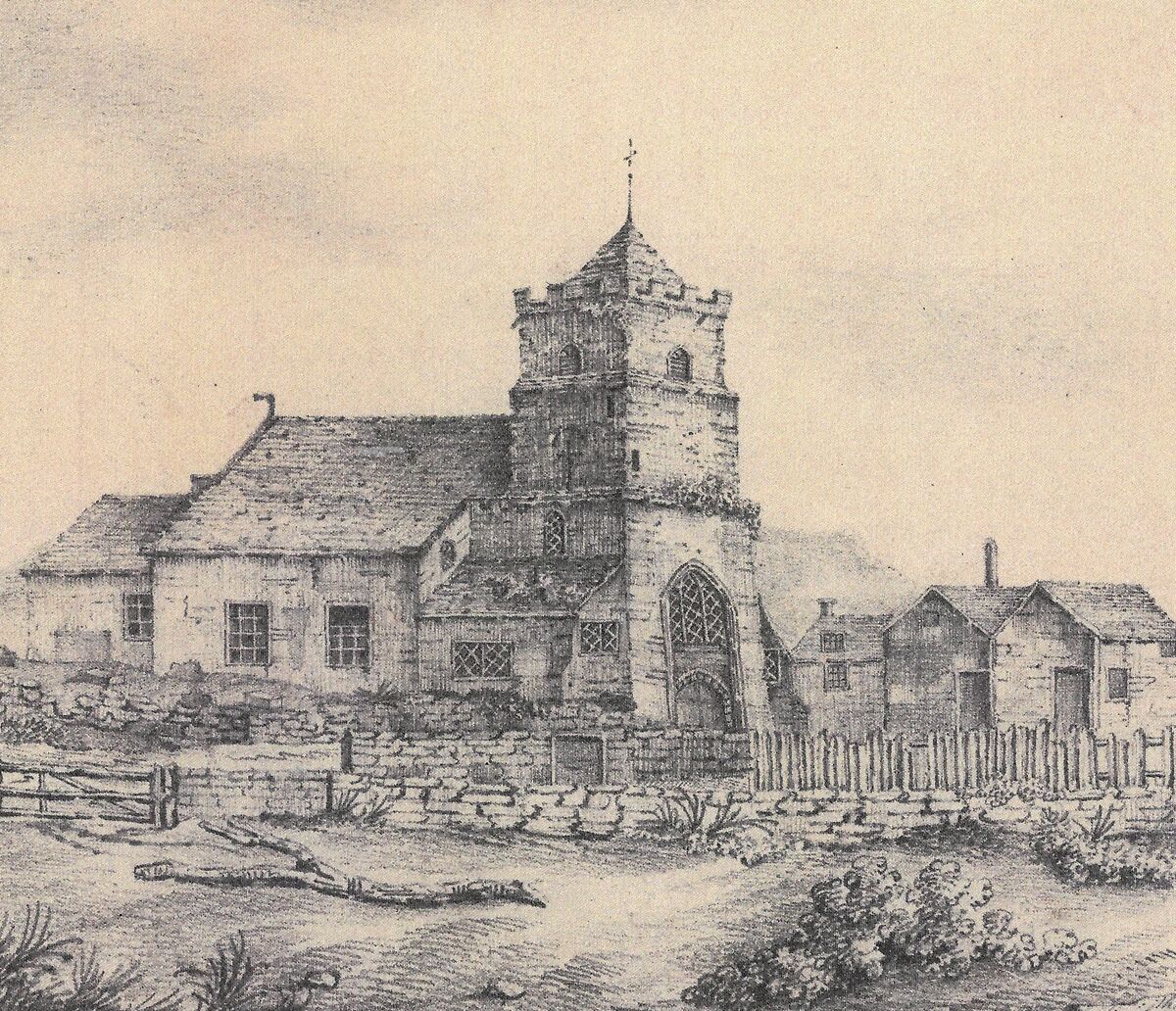
The Cinque Ports Connection: Seaford's Medieval Power and Decline
For centuries, Seaford was one of the most important ports on the Sussex coast, a corporate limb of Hastings in the powerful Cinque Ports confederation. Ships, trade, parliamentary privilege, and royal charters made the town prosperous. Then the sea took it all away.
England's Medieval Navy
Before the Royal Navy existed, England's coastal defence rested on a confederation of port towns known as the Cinque Ports. Formalised by royal charter in 1155, the five original head ports, Hastings, Dover, Romney, Hythe, and Sandwich, were required to provide 57 ships and over 1,100 men for the Crown's service for 15 days each year. In return, their citizens received extraordinary privileges: exemption from national taxes, the right to hold their own courts, and freedom from tolls throughout the realm.
As the confederation grew, each head port gained subsidiary members called "limbs." Seaford became the chief limb of Hastings, and achieved a status no other limb port ever matched.
Seaford's Unique Standing
The earliest documented reference to Seaford as a Cinque Port dates to 1229, when it was described as "the chief of the Subordinate Ports and limb of Hastings, its Mother Port." But Seaford's involvement almost certainly predates this, the town's Saxon name, recorded in the eighth century as "Super fluvium Saforda" (on the river Saforda), suggests a settlement already oriented around its harbour on the River Ouse.
What made Seaford exceptional was its parliamentary representation. In 1298, Seaford was granted the right to send two Members of Parliament, a privilege shared only with the five head ports and the two Ancient Towns of Rye and Winchelsea. No other limb port in the entire confederation achieved this standing. Seaford's freemen, like all Cinque Ports citizens, held the title of Barons of the Cinque Ports, a status that entitled them to carry the canopy over the monarch at coronation ceremonies, a tradition maintained from 1141 to 1821.
A Prosperous Port
At its medieval peak, Seaford was a busy commercial harbour. The River Ouse met the sea through a natural haven sheltered by the great shingle bank of Seaford Bay, creating a protected anchorage for trading vessels.
The town's economy rested on fishing, particularly herring, with Seaford's fishermen exercising their Cinque Ports right to land and sell their catch at the annual Yarmouth Herring Fair in Norfolk. Wool from Downland sheep was exported to the Continent, corn shipped to other English ports, and French wines imported through the haven.
Seaford also contributed directly to the Crown's military campaigns. In 1342, the town sent three ships to Edward III's French wars. By 1347, Seaford's official levy had risen to five ships and 80 marines, almost certainly for the campaign that led to the Battle of Crécy and the siege of Calais.
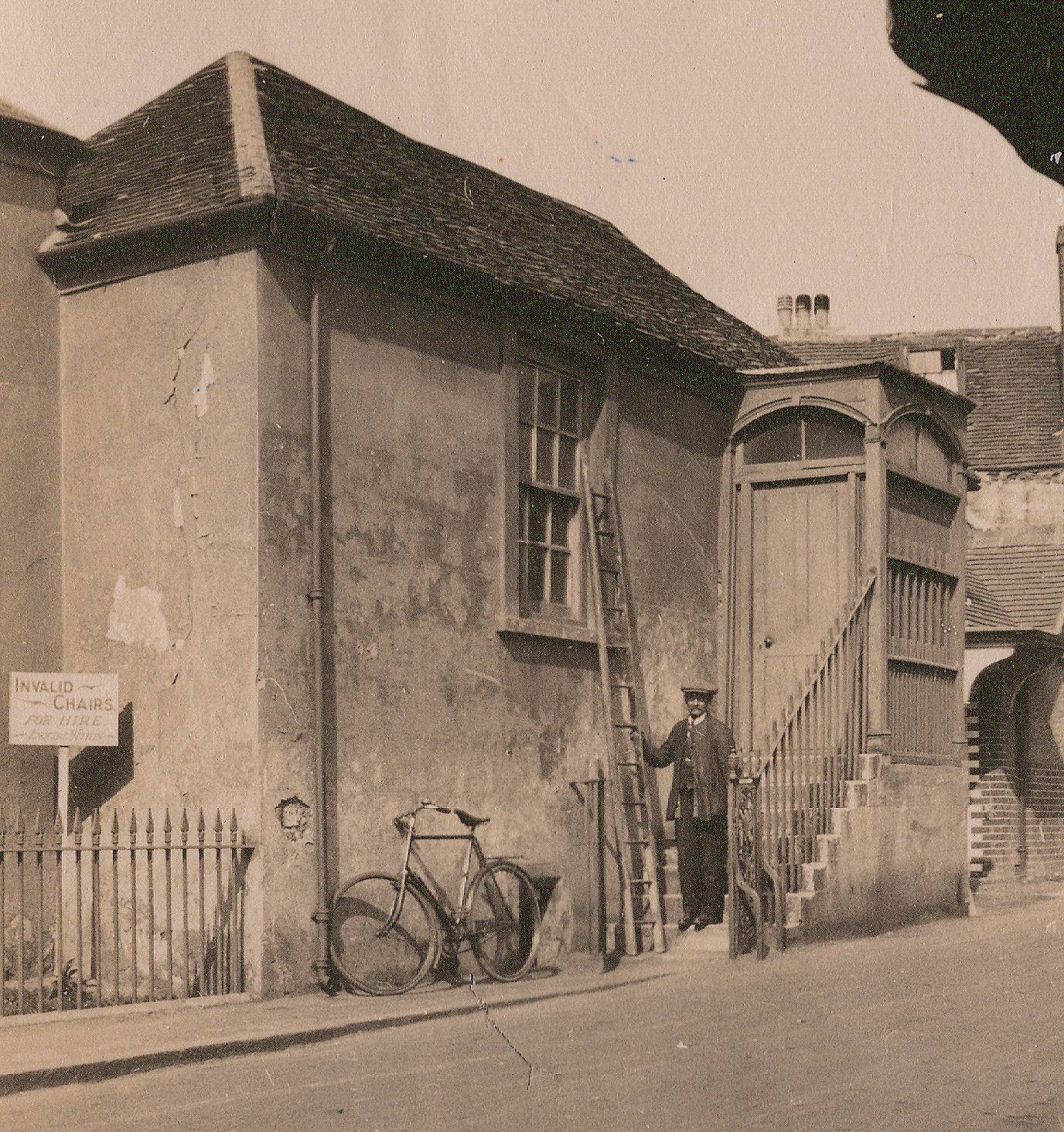
The Long Decline
Seaford's fall was caused by three compounding forces: war, nature, and economics.
The French raided the Sussex coast repeatedly during the 14th and 15th centuries. Seaford was burned and looted multiple times between 1350 and 1550. By 1380, the townspeople were petitioning Richard II for tax relief, citing plague and French destruction.
Meanwhile, longshore drift was steadily pushing shingle across the mouth of the River Ouse, gradually choking the harbour. Ships that once sailed freely into the haven found the channel shallower with each passing decade.
The decisive blow came around 1579, when a great storm blocked the river mouth entirely and broke through the shingle bank further west, near the village of Meeching. The River Ouse found its new outlet there, and with it, the harbour. Meeching was renamed Newhaven, and Seaford's port was left as a landlocked inlet with no through-flow.
The economic collapse was swift. By 1596, Seaford had just 38 householders, including seven fishermen with one boat between them. The town could no longer afford to send its MPs to Parliament, a right that lapsed around 1400 and was not recovered until 1641.
Royal Recognition
Despite the decline, the Crown did not forget Seaford's service. In 1544, Henry VIII granted a charter confirming the town's Parish and Borough status along with "all the duties and privileges it enjoyed since its inception." In 1592, Elizabeth I gifted the low-lying land around the old haven, known as the Beame Lands, to the people of Seaford in perpetuity, effectively acknowledging the harbour's loss while providing lasting compensation.
Seaford regained its parliamentary seats in 1641, just before the Civil War, and held them until the Reform Act of 1832 finally ended the town's representation. The last MP was Mayor Lyon.
What Survives Today
The Beame Lands remain in Seaford, a geographical ghost of the medieval harbour. The flat, low-lying ground behind the seafront traces the outline of the old haven where trading ships once anchored.
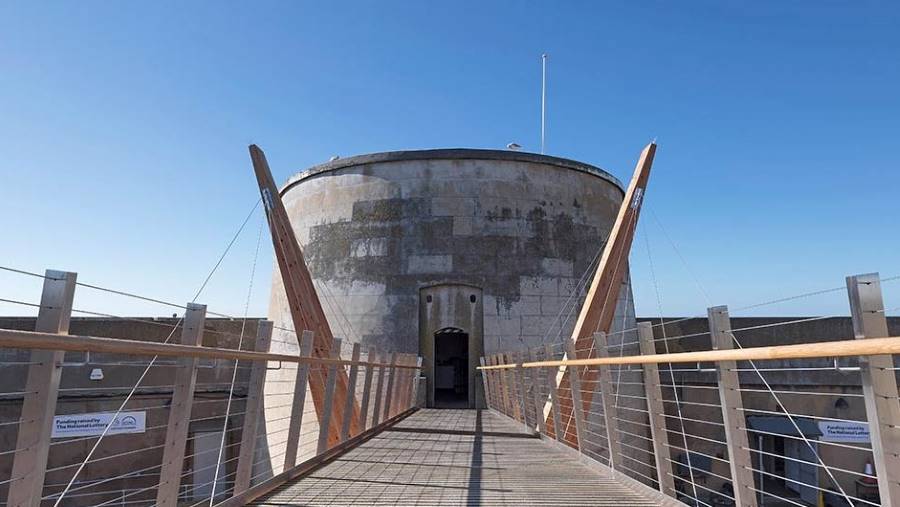
The Seaford Museum in Martello Tower No. 74 displays artefacts from the town's maritime and Cinque Ports heritage. And Seaford retains its nominal membership of the Cinque Ports confederation, which continues today as a ceremonial institution, the Lord Warden of the Cinque Ports still holds office at Walmer Castle in Kent, and the Brotherhood and Guestling courts still meet.
Eight centuries after it first sent ships to serve the Crown, Seaford's Cinque Ports story remains written into the landscape, the street names, and the quiet stretch of coast where a great harbour once stood.
Sources: Seaford Museum, History of Seaford (seafordmuseum.co.uk); Seaford Town Council, History of the Town (seafordtowncouncil.gov.uk); Cinque Ports official site, Limbs, Ship Service, The Courts (cinqueports.org); seaford-sussex.co.uk archive (Mick Barrett heritage research); Wikipedia, Cinque Ports, Seaford East Sussex