French Pirates and the Three Burnings of Seaford
Long before the smugglers and the Martello tower, Seaford was a front-line Cinque Port on a hostile channel. Between 1339 and 1545 French raiders burned the town down and it was rebuilt at least three times, once so completely that the record calls it "in ruins and deserted". The story runs from the opening campaigns of the Hundred Years War, through a 15th century attempt to move the entire town to Seaford Head, to the 1,500 French troops who landed at the Buckle in July 1545 and were driven back into the sea by Sussex longbowmen.
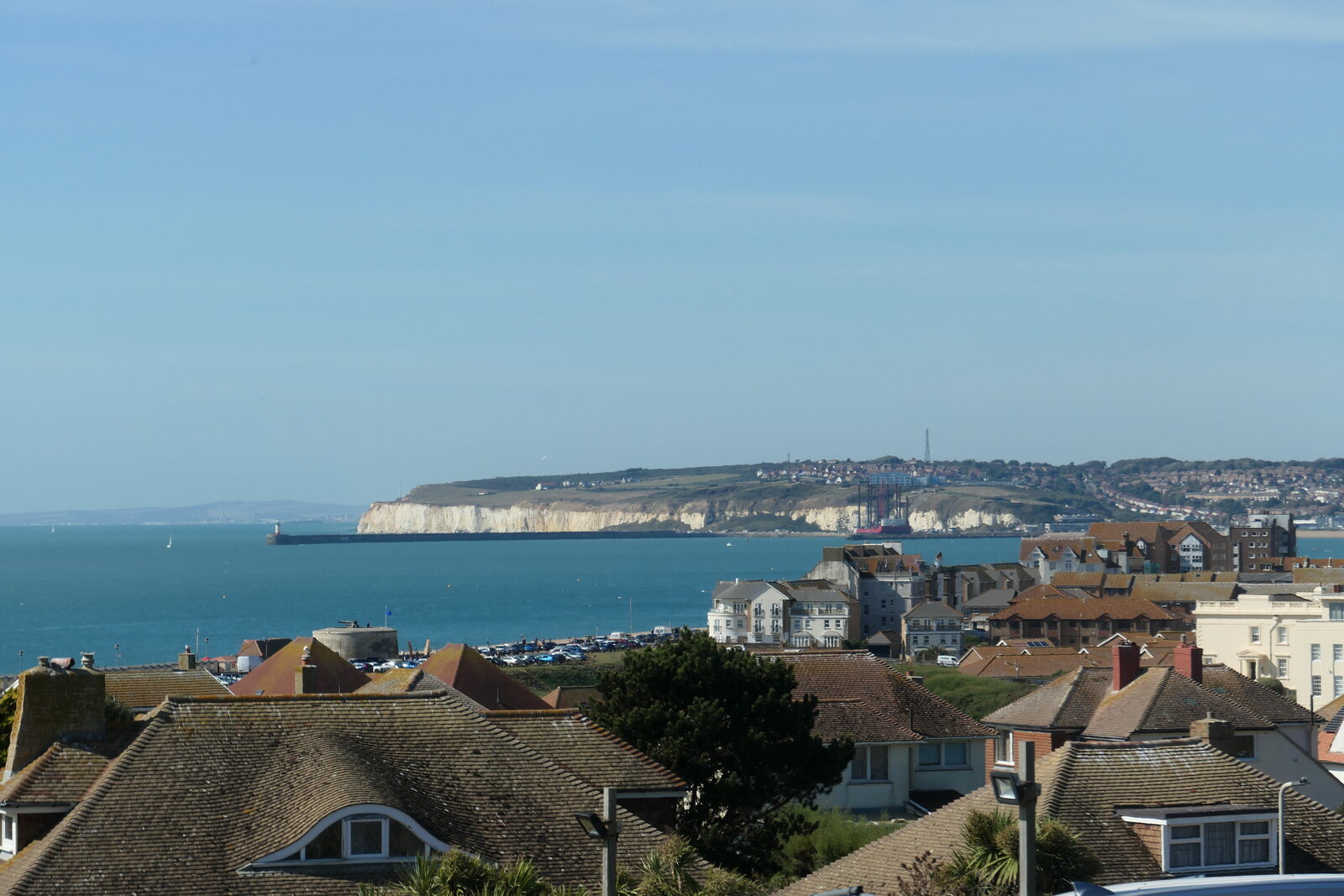
Seaford's popular history starts late. Smugglers, Martello towers, the railway, Victorian boarding houses: all of it belongs to the last 250 years. What gets left out is the three centuries before that, when this was a front-line town on a hostile channel, close enough to France that a fleet could appear on the horizon in the morning and the town could be smoking by evening.
Between roughly 1339 and 1545 the French came back again and again. Seaford was burned down and rebuilt at least three times. It is the single most important fact about medieval Seaford, and almost nobody mentions it.
A port worth burning
By the early 13th century Seaford was a Cinque Port, and not a minor one. It was the senior limb of the head port of Hastings, part of the confederation in whose hands, as the Seaford Museum puts it, "the entire maritime defence of the realm" rested. The town sat at the mouth of the Ouse and made its living from fishing, shipbuilding, provisioning vessels and two-way continental trade, importing wine and exporting Downland sheep wool.
The obligations are documented. In 1342 Seaford sent three ships to the French wars. By 1347 its official quota had risen to five ships and 80 marines. In 1298 it had won the right to return two members to Parliament. This was a place that mattered, which is what made it a target.
1339 and 1340: the war arrives
The Hundred Years War opened with a French naval campaign along the Channel in 1338 and 1339, and Sussex took the brunt of it. Seaford was raided in 1339 and again in 1340.
The damage went past burnt buildings: records show farmland around the town was left uncultivated because people were too frightened of attack to work it. Hastings, the head port Seaford answered to, was burnt in the same campaign and never recovered.
1357: a town "in ruins and deserted"
The worst of it came in 1357. The raid that year left Seaford, in the phrase preserved in the record, in ruins and deserted. That is not a description of a fire in the harbour quarter. It describes the effective abandonment of a chartered port town.
Seaford came back. We know because the French bothered to attack it again in the 1370s, which they would not have done had there been nothing left worth taking. Modern archaeology backs the record: excavation on late medieval Sussex ports has turned up pits of demolition debris at Seaford that may relate directly to the raiding.
Rebuilding was not recovery. By 1380 the townspeople were petitioning Richard II for relief, citing French raids and plague together. Relief from the lay subsidy, the tax on movable goods, was granted in 1380 and again in 1384.
Poynings Town: the plan to move the whole town
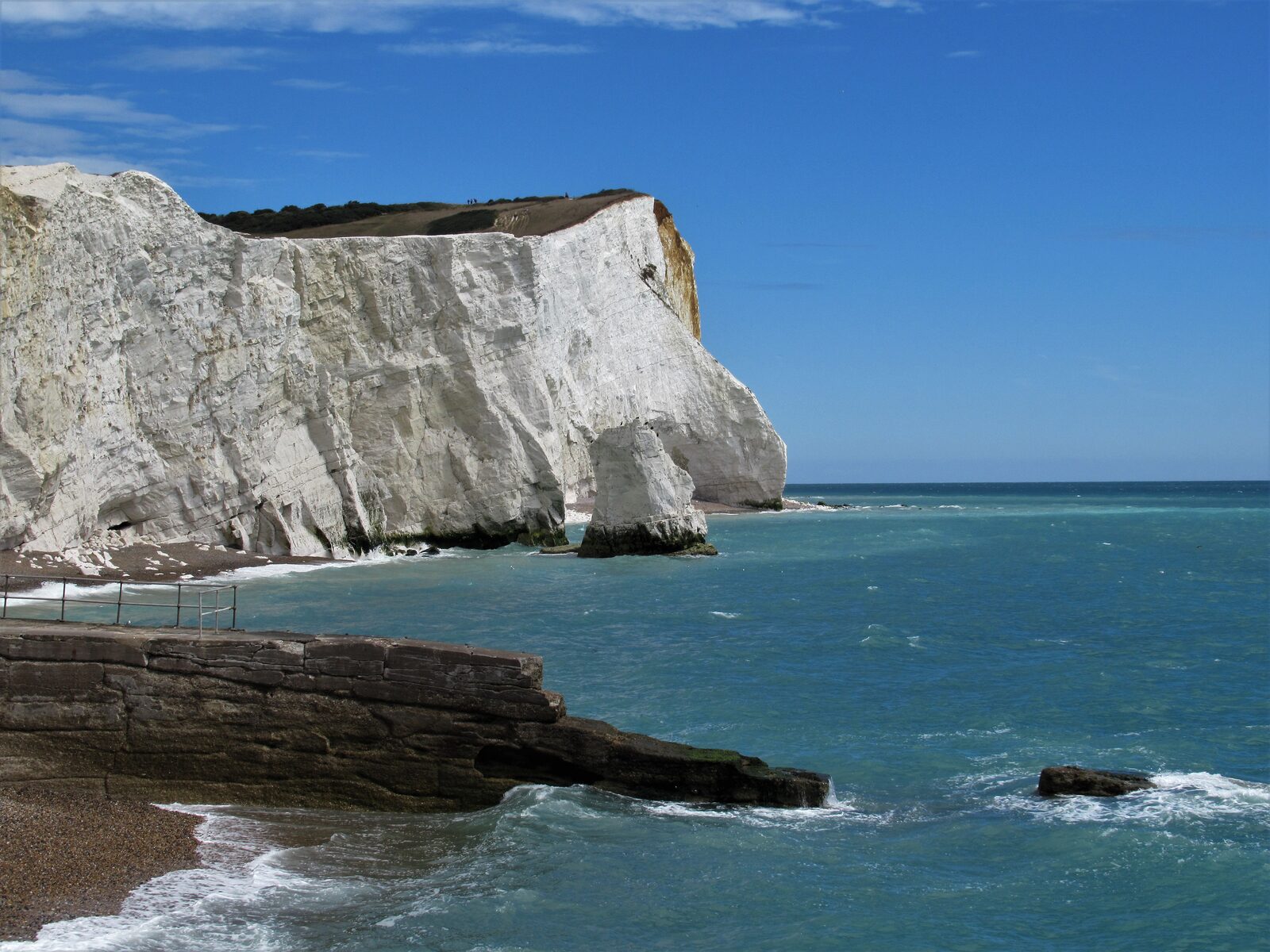
Around the middle of the 15th century somebody tried a radical fix. Lord Poynings set out to found a new settlement on the eastern slopes of Seaford Head, overlooking the quieter Cuckmere estuary, out of reach of any fleet standing off Seaford Bay. It shows on old maps as Toynings Town. It did not last: the evidence suggests it too was destroyed by fire.
1545: the Battle of the Buckle
The last burning is the best documented. In July 1545 Francis I sent a fleet against England in retaliation for Henry VIII's capture of Boulogne: more than 200 ships and some 30,000 men under High Admiral Claude d'Annebault. It met the English fleet in the Solent on 18 and 19 July, the engagement in which the Mary Rose went down.
Squadrons then worked east along the Sussex coast, hitting Hove, Brighton and Meeching (now Newhaven). At Seaford Bay the French put roughly 1,500 troops ashore, in the words of the chronicle, "to burn and spoil the country". They managed a dozen cottages before the militia arrived.
That militia had been raised by Sir Nicholas Pelham of Lewes, then about 30. Sussex longbowmen turned out in enough numbers that the French broke for their boats, and over 100 were killed or drowned getting there. The Pelham family badge was a buckle, and that stretch of the Seaford seafront has been called the Buckle ever since. An inn of the name stood there into recent memory, and the Buckle car park and the Buckle bypass carry it still.
Pelham also got the better epitaph. His memorial in St Michael's Church, Lewes, shows him at prayer with his wife Anne Sackville and their children, above a couplet that is one of the great pieces of English tomb punning: "What time the French sought to have sack't Seafoord, this Pelham did repel them back aboord."
Sources differ slightly on the day. The Sussex historian Kevin Gordon dates the landing to 18 July 1545; other accounts put it a few days later, on 22 July.
What the burnings left behind
The raids did not kill Seaford, but they crippled it at exactly the moment it needed to be investing in its harbour. The mouth of the Ouse was silting, and in the 16th century a storm broke through the western end of the shingle bar and handed the river a new outlet at Meeching. Newhaven got the harbour. Seaford got the shingle.
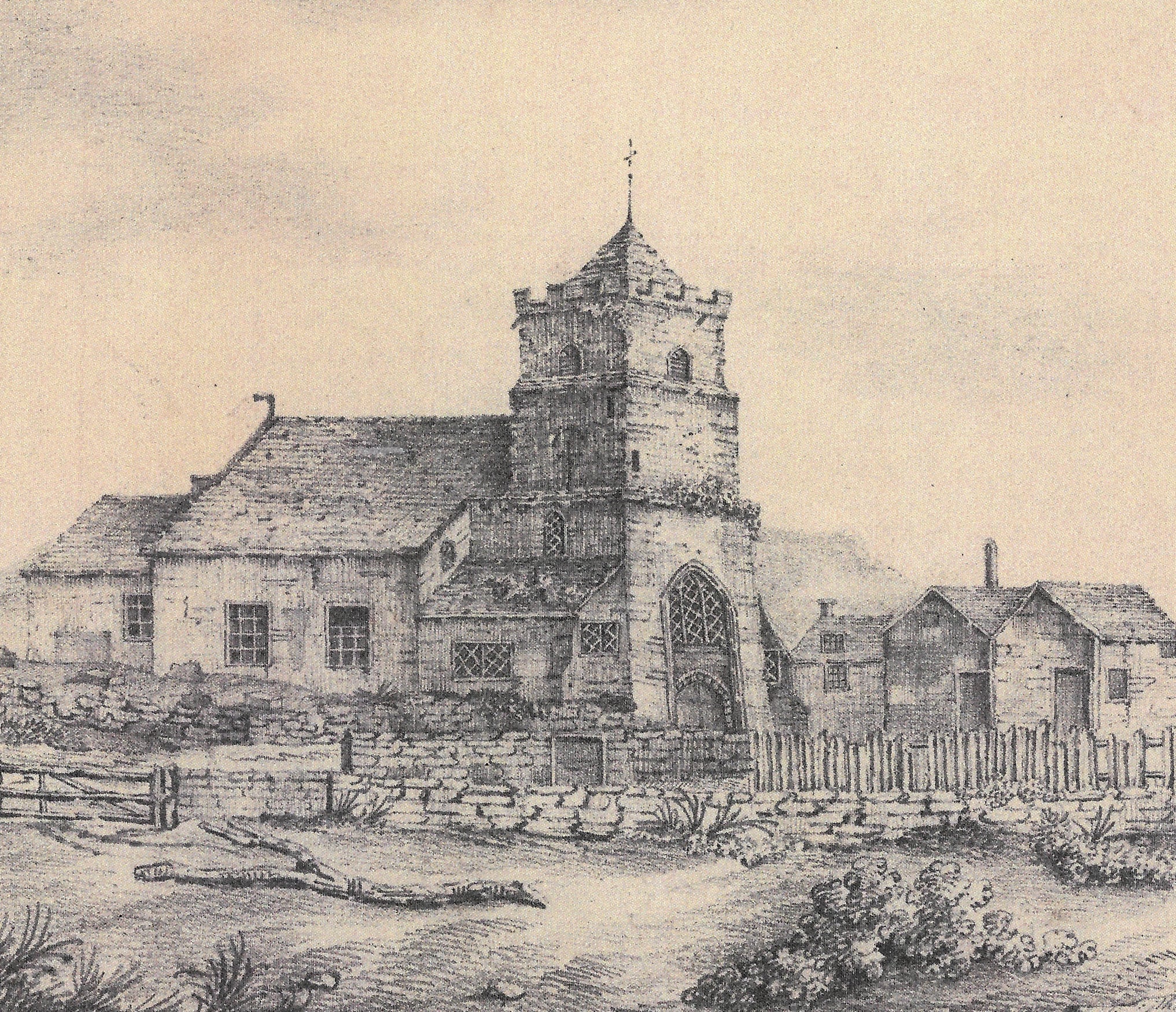
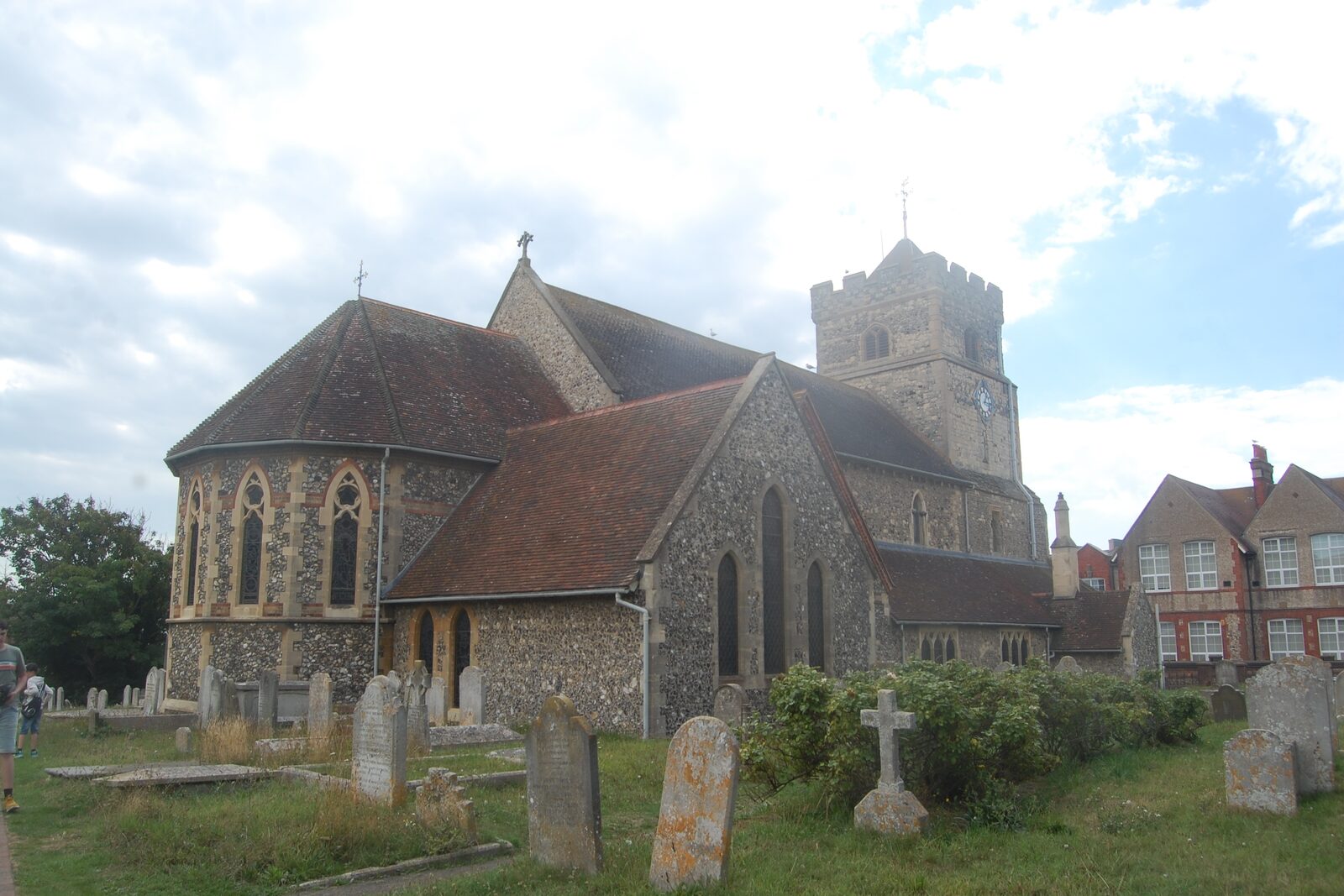
One building carries the whole story. St Leonard's Church on Church Street still holds 11th century Norman work in its nave, aisles and clerestory, overlaid with Gothic additions and a heavy Victorian restoration between 1861 and 1882. It stood through every one of the burnings.
The town's reputation did not recover either. By the 16th century Seaford people were known along the coast as the cormorants, or the shags, for their enthusiasm in stripping ships wrecked in the bay. Some claimed they helped the wrecks along with false lights on the cliffs. After 200 years of being burned by other people's navies, you can see how the habit might take hold.
Sources
- Seaford Museum and Heritage Society, "History of Seaford": seafordmuseum.co.uk
- Kevin Gordon, "The Battle of The Buckle 1545", Quirky Sussex History: sussexhistory.net
- "Assessing urban fortunes in six late medieval ports", Urban History, Cambridge University Press: cambridge.org
- Wikipedia, "Seaford, East Sussex": en.wikipedia.org
- Wikipedia, "Battle of the Solent": en.wikipedia.org
- Wikipedia, "Nicholas Pelham (died 1560)": en.wikipedia.org
- Historic UK, "The Great French Armada of 1545": historic-uk.com
- Discover Seaford project archives, recovered pages and images from seaford.co.uk, seaford-sussex.co.uk and seafordtimes.com