The 1939 Empire Cinema Fire and the Death of Fireman Fred Mace
In the early hours of 1 March 1939, the Empire Cinema on Sutton Road burned down in a February gale, and Seaford volunteer fireman Fred Mace, 42, was killed when his 40-foot escape ladder was blown to the ground. This is the story of the town's short-lived picture palace, the night it was lost, and the hero's funeral that followed, when Mace's coffin was carried through the streets on a brand-new fire engine beneath seventy floral tributes.
A Palace of Pictures on Sutton Road
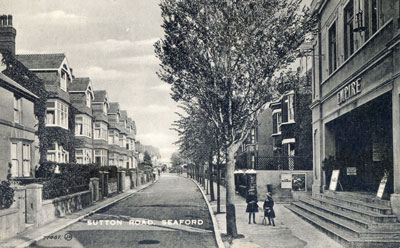
By the standards of Edwardian Seaford, the Empire Cinema was a small marvel. On 22 February 1913, Charles J. Bravery, together with H. Ediss and F. Ediss, registered the Seaford Empire Company Limited with a capital of 3,000 pounds to build an "electric or cinematograph theatre." Bravery put up the Empire on Sutton Road that same year: a building 72 feet deep and 32 feet wide, costing around 1,975 pounds, seating 500 people across stalls and balcony.
Local advertising billed it as "the pinnacle of kinematographic perfection." Its first lessee, according to town records, was a 20-year-old named Oscar Deutsch, who would later found the Odeon chain. Inside, a kiosk stood in the middle of the foyer, plaster motifs decorated the balcony, and dome-shaped lights glowed from the ceiling. For a generation of Seaford residents, and especially its courting couples, the Empire was where the town went to be entertained.
The Night of the Fire
On the evening of Tuesday 28 February 1939, the Empire was showing a double bill: "The Port of Seven Seas," starring Wallace Beery, and "Walking Down Broadway." The audience went home, the doors were locked, and the building was left dark. In the early hours of Wednesday 1 March, fire was discovered inside.
The alarm reached the Seaford Fire Brigade at about one o'clock in the morning. Chief Officer John Henry Reeves later reported that the blaze had begun near the boiler room behind the stage before climbing into the roof. A strong wind off the sea, funnelling up Sutton Road, fanned the flames faster than the brigade could contain them. Newhaven's firemen were called in to help and arrived at around half past two.
The Ladder in the Wind
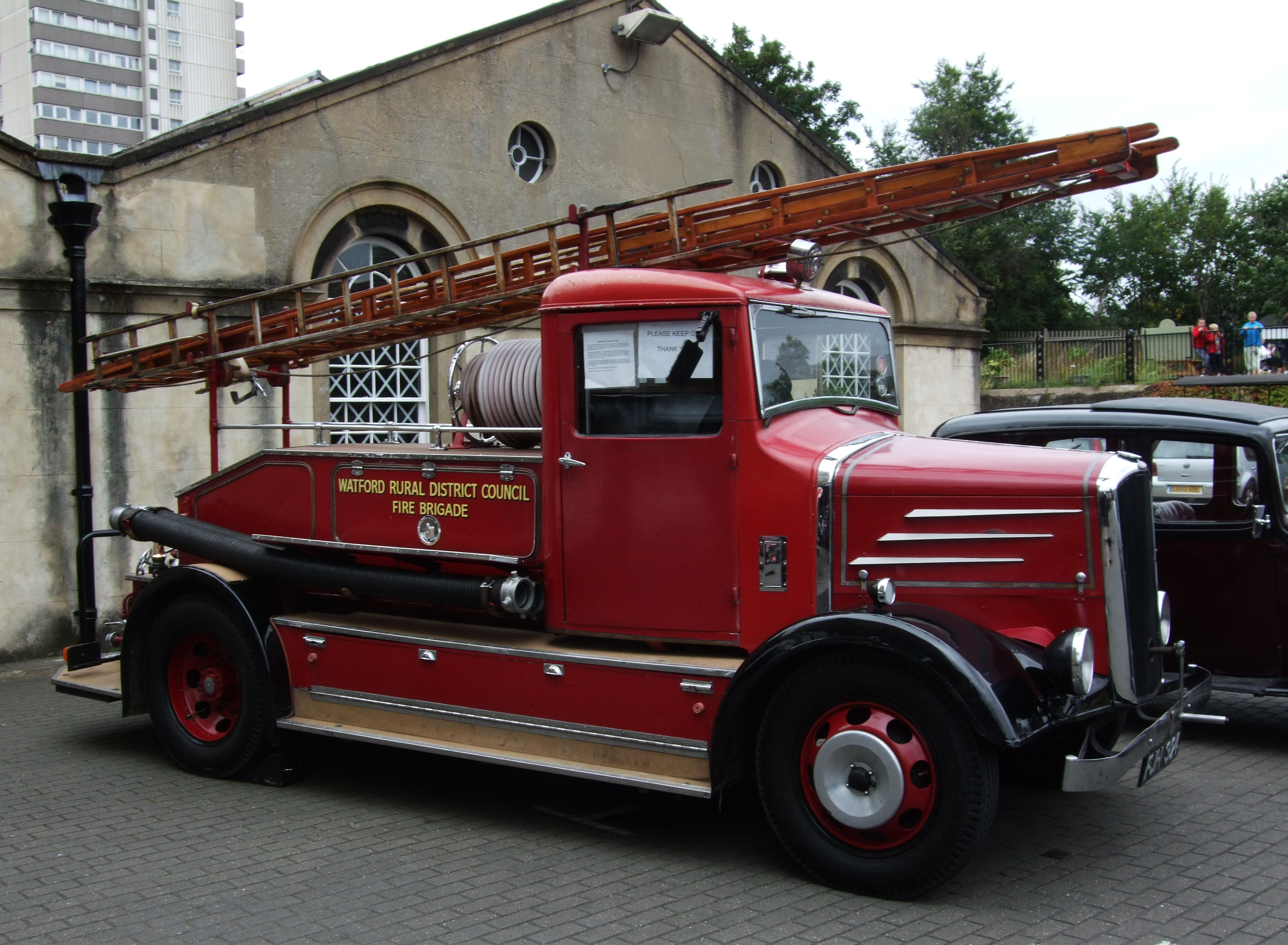
Among the Seaford men fighting the fire was Fred Mace, an experienced volunteer with roughly two decades of service behind him. To reach the flames breaking through the roof, Mace climbed a 40-foot wheeled escape ladder and began hosing the fire from the top. Fireman Stanley Brown followed him up to help secure the hose.
At about half past three, the wind caught the tall escape and swung it sideways. The men at the base could not hold it against the gale. With Mace still at the top, the ladder toppled and crashed to the ground. He was rushed to hospital in Brighton, but his injuries were too severe, and he died there. He was 42 years old, a married man with two young children.
The Empire itself was gutted. It was so badly damaged that it never reopened, leaving the Ritz Cinema on Dane Road, opened only in 1936, to serve the town alone for the next forty years.
A Hero's Funeral
Seaford buried its fireman on Saturday 4 March 1939, and most of the town turned out for it. Fred Mace's coffin, draped in the Union Flag, was carried through the streets on a brand-new fire engine that had been delivered to the brigade that very day. Around seventy floral tributes were heaped across the appliance as it moved slowly past crowds lining the pavements. At the inquest, the coroner said simply that Mace had "died a hero's death."
It was the kind of civic grief a small town rarely forgets. Mace had not been a professional firefighter in the modern sense but a local volunteer who answered the bell, and he died doing exactly that: forty feet above a burning cinema in a February gale.
What Remains
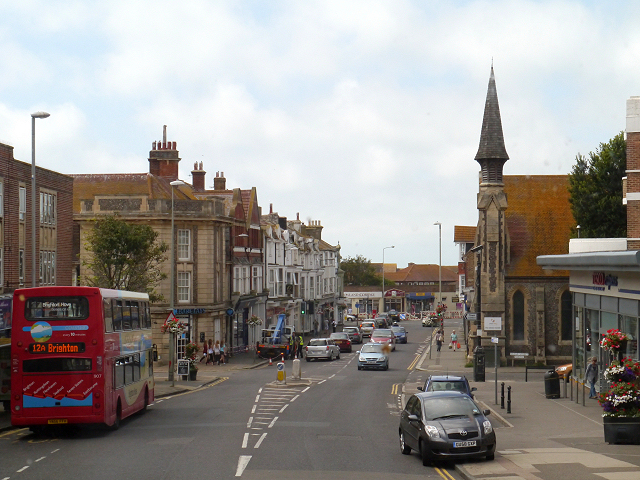
Nothing of the Empire survives on Sutton Road. The ruins were cleared and the plot became a modest car park, one of those quiet gaps in a street that give no hint of what once stood there. The Ritz eventually closed too, and Seaford, like most towns its size, lost its cinemas altogether.
Fred Mace has not been entirely forgotten. Seaford Museum, which keeps the records and photographs of the town's cinemas and its fire brigade, has carried his story to new audiences through talks and heritage trails, and his name resurfaces whenever the town remembers the people who served it. For a building that lasted only twenty-six years, the Empire left a long shadow, and at its centre is the fireman who climbed the ladder and did not come down.
Sources
- Seaford Museum & Heritage Society, "Empire Cinema": seafordmuseum.co.uk/empire-cinema
- Seaford Times (archived), "The Seaford Cinemas" history page: seafordtimes.com/seaford-history/cinema
- Seaford Heritage Walks, "Seaford's Blue Plaques": walkseaford.uk/seafords-blue-plaques
- Visit Lewes, "Fireman Fred Mace" talk listing: visitlewes.co.uk
- Discover Seaford project archives, recovered pages from seaford-sussex.co.uk and seafordtimes.com