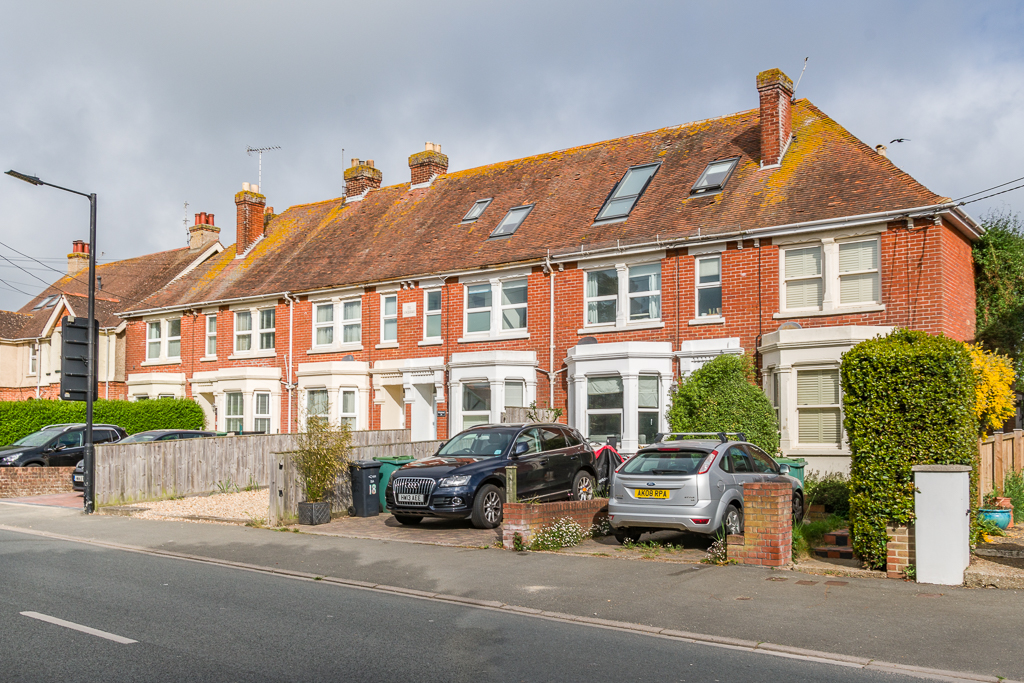
Prunella Briance and the Birth of the National Childbirth Trust in Seaford
In 1956 Prunella Briance placed a small advertisement in The Times announcing that a Natural Childbirth Association was to be formed. From that notice grew the National Childbirth Trust, the UK's largest parenting charity, whose once radical ideas (fathers in the delivery room, mothers making their own decisions) became standard practice. From 1962 to 1970 Briance lived at Lavender Cottage on Steyne Road in Seaford, on ground that once formed the quayside of the town's medieval harbour, and a blue plaque marks the spot today.
The Plaque on the Old Quayside
Walk along Steyne Road towards its junction with Crooked Lane and you are standing on what was once the waterfront of a Cinque Port. When Seaford's medieval harbour still functioned, before the River Ouse was diverted to Newhaven in 1539, the ground here was the quayside. Lavender Cottage sits right on that junction, and a blue plaque on it records the eight years, from 1962 to 1970, when it was home to Prunella Briance: the woman whose small newspaper advertisement created what became the National Childbirth Trust.
Two Births, One in Cyprus and One in London
Prunella Mary Chapman was born in Putney on 31 January 1926, the daughter of a British Army officer. She married John Briance, a diplomat, and followed his postings to Iran and then Cyprus. It was in Cyprus that she gave birth for the first time, and the delivery went badly. She later recalled lying in labour listening to doctors and nurses discussing whether she would survive. She did, and so did her son, Richard.
Two years later, in a London hospital in 1955, her second labour was mishandled and her baby daughter died. Out of that grief came a resolve that no other mother should have to go through the same experience uninformed, unsupported and unheard.
An Advertisement in The Times
Briance had read *Childbirth Without Fear* by the English obstetrician Dr Grantly Dick-Read, first published in 1942 under the title *Revelation of Childbirth*. Dick-Read argued that fear itself produces much of the pain of labour, and that education, relaxation and support could transform the experience. The medical establishment largely dismissed him. Briance thought he was right.
In 1956 she placed a notice in the personal columns of The Times and the Daily Telegraph: "A Natural Childbirth Association is to be formed for the promotion and better understanding of the Dick-Read system." Replies poured in from women all over the country.
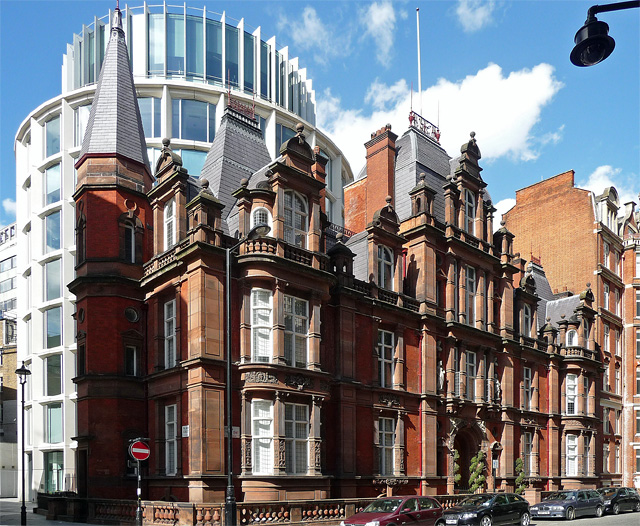
The inaugural meeting took place on 29 January 1957 at Caxton Hall in Westminster, the same hall where the suffragettes had rallied half a century earlier. Dick-Read himself addressed the packed room and became the new association's first president, with Briance as its driving force. Queen Elizabeth II sent a telegram of encouragement.
What Was So Radical
It is hard now to grasp how far outside the mainstream the association's ideas sat in 1950s Britain. Fathers waited in corridors. Mothers were routinely sedated, and their babies were taken straight to hospital nurseries. Questions were discouraged.
Against that, Briance and her association argued that mothers should be taught what was happening to their bodies, should lead the decisions about their own care, and should have their husbands beside them in the labour ward. The idea of a father present at the birth, then considered eccentric verging on improper, is now simply how it is done.
From Natural to National
The medical establishment pushed back hard, and the organisation's name records the compromise. The Natural Childbirth Association became the Natural Childbirth Trust in 1958, and in 1961, under pressure from the medical profession over the word "natural", it was renamed the National Childbirth Trust and registered as a charity. Membership reached 8,000 by the 1970s and 240 branches by the 1980s. By 2016 the NCT had more than 300 branches and over 100,000 members, making it the UK's largest charity for parents.
The Seaford Years
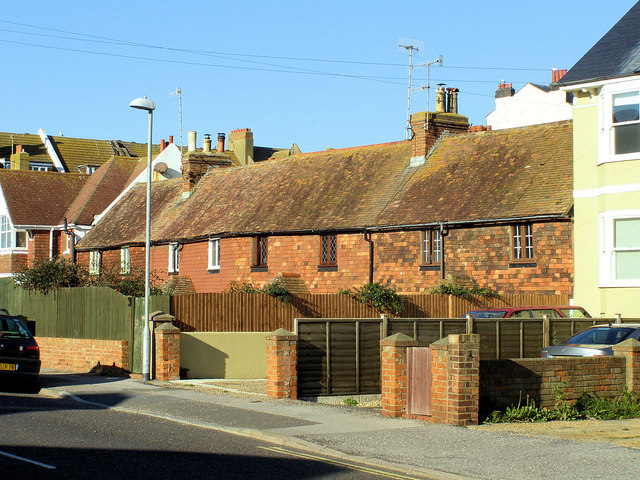
In 1962, with the Trust she had founded growing into a national institution, Briance moved into Lavender Cottage at the corner of Steyne Road and Crooked Lane. She lived there until 1970, through the decade in which the NCT established its teacher training panel and its breastfeeding promotion group.
She remained a campaigner for the rest of her life, publishing *Childbirth with Confidence* in 1982 and presenting her ideas at international congresses, while staying energetically busy as an artist, a singer and a tennis player. She died in London on 14 July 2017, aged 91, a few months after the sixtieth anniversary of that first Caxton Hall meeting.
A Legacy in Every Delivery Room
Every antenatal class, every father cutting a cord, every birth plan discussed rather than dictated carries a trace of the campaign Prunella Briance started with one classified advertisement. Seaford's blue plaque on Lavender Cottage is a modest marker for a national change, and it sits, fittingly, on a quiet corner where the town's own history runs deepest: the old harbour edge where Seaford once met the sea.
Sources
- Prunella Briance, Wikipedia (opens in a new tab)
- National Childbirth Trust, Wikipedia (opens in a new tab)
- Obituary: Prunella Mary Briance, AIMS Journal, 2017, Vol 29 No 3 (opens in a new tab)
- Seaford's Blue Plaques, Seaford Heritage Walks (opens in a new tab)
- Project archive: `Thoughts-Ideas-Expansion/archives/seaford-sussex-co-uk.md` (Seaford's Blue Plaques, seaford-sussex.co.uk)