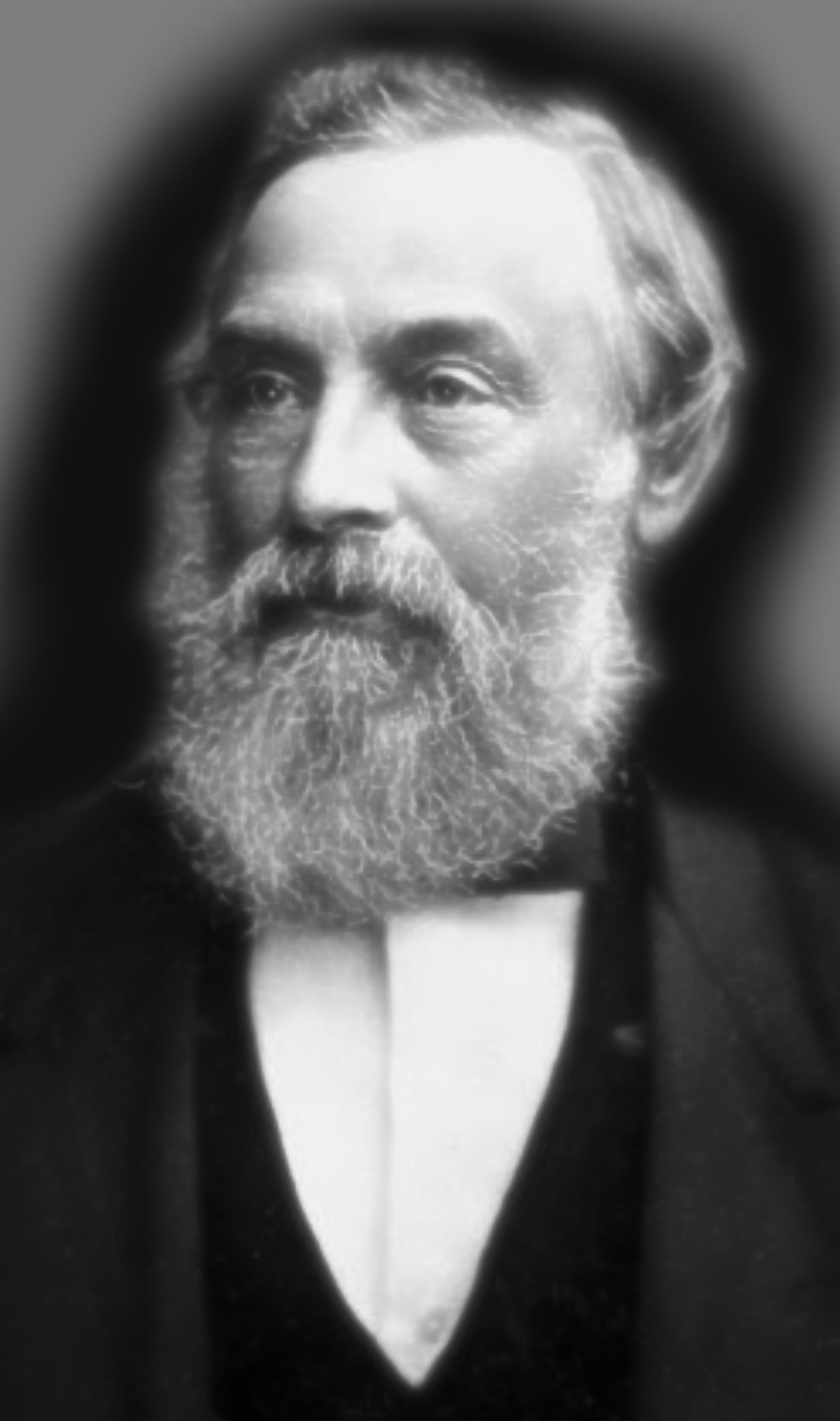
Henry Coxwell: The Seaford Balloonist Who Touched the Stratosphere
He gave up a respectable career as a dentist to fly balloons, and on 5 September 1862 Henry Coxwell carried James Glaisher higher than any human had ever been, pulling the valve cord with his teeth to save both their lives when his hands froze. He spent his last years in Seaford, running a balloon factory on Richmond Road. This is the story of the town's forgotten aeronaut.
When you picture a record-breaking explorer, you probably do not imagine a dentist. Yet the man who carried two human beings higher into the sky than anyone had ever been, and very nearly died doing it, hung up his dental tools to do it. Henry Tracey Coxwell spent the last years of his life in Seaford, running a balloon factory on Richmond Road and living quietly at Sandford House on Connaught Road. The town remembers him with a street name, Coxwell Close, and a grave in Seaford Cemetery. The Victorian world remembered him as the foremost balloonist of his age.
From the Dentist's Chair to the Clouds
Coxwell was born on 2 March 1819 at the parsonage in Wouldham, Kent. He trained and worked as a dentist, a respectable trade, but his real obsession had taken hold as a boy watching the great aeronauts of the day. He made his first ascent on 19 August 1844, aged 25, from Pentonville in London. The following year he founded and edited a short-lived periodical, *The Balloon, or Aerostatic Magazine*, and by 1848 he had given up dentistry entirely to fly for a living, beginning with a balloon called the *Sylph* in Brussels.
By 1861 Coxwell had made more than 400 ascents and was the most experienced balloon pilot in Britain. He built his own craft, including a vast envelope of 93,000 cubic feet that he named the *Mammoth*, the largest balloon of its time. It was the *Mammoth* that would carry him into history.
The Flight That Almost Killed Two Men
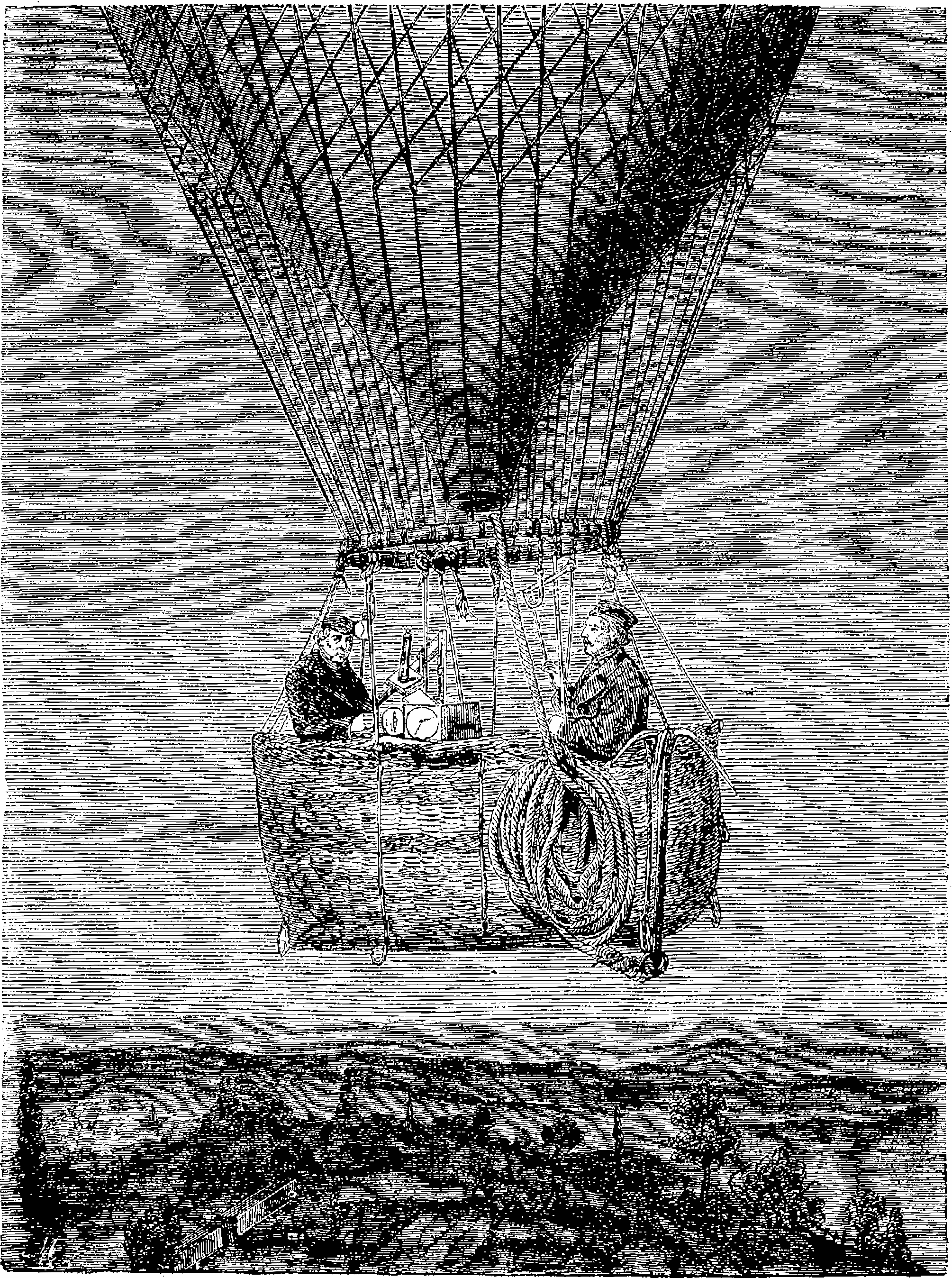
On 5 September 1862 Coxwell lifted off from the gasworks at Wolverhampton with the meteorologist James Glaisher, on a scientific flight backed by the British Association for the Advancement of Science. Glaisher's job was to read the instruments: thermometers, a barometer, a compass, and a cage of six carrier pigeons to be released at intervals as living tests of the thin air.
The balloon climbed far faster and far higher than anyone intended. The temperature fell below minus 20 degrees Celsius. Pigeons released at altitude dropped like stones. Past 29,000 feet Glaisher slumped unconscious over his instruments, his last barometer reading lost. Coxwell, standing in the rigging to free a tangled valve line, found that his hands had frozen solid and turned black; he could not grip the cord that would let the gas out and bring them down.
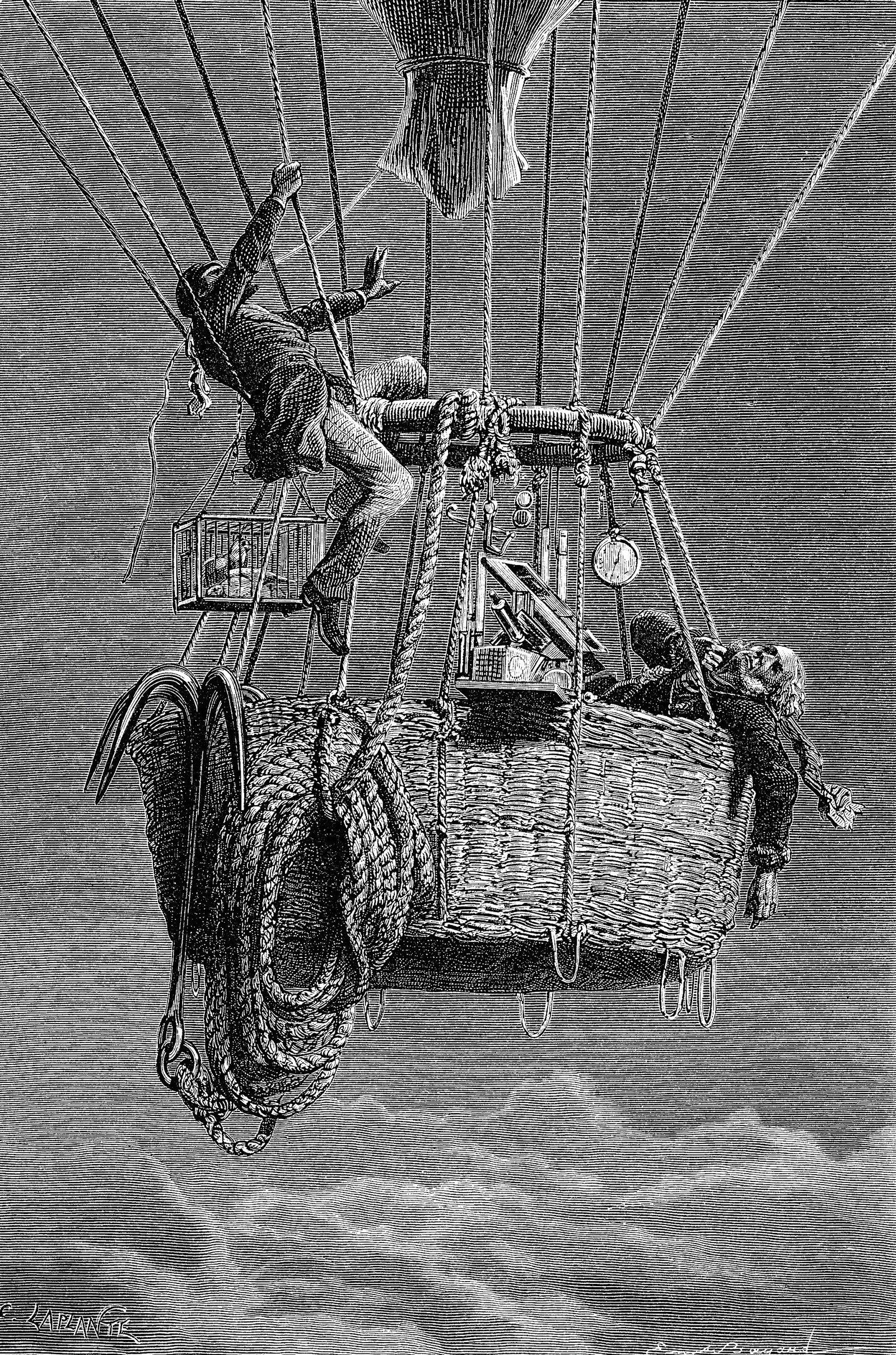
With his companion senseless and his own consciousness fading, Coxwell did the only thing left to him. He seized the valve cord in his teeth and tugged it, releasing the hydrogen and saving both their lives. The *Mammoth* fell roughly 19,000 feet in about 15 minutes and came down safely near Ludlow. Later calculations put the peak of the flight at somewhere between 35,000 and 37,000 feet, the greatest height ever reached by human beings, achieved without oxygen, pressurised suits, or any protection beyond Victorian wool. The record would stand for nearly 40 years.
A Balloon Factory on Richmond Road
The 1862 flight made Coxwell famous, but it was only one chapter. In 1863 he carried out the first aerial photography trip in England, with Henry Negretti, and demonstrated military ballooning to the Army at Aldershot. The following year his balloon *Britannia* was torn apart by an angry crowd in the notorious Leicester balloon riot. In 1870, during the Franco-Prussian War, the German government hired him to organise their war balloons, and he raised two companies of men at Cologne.
It was after these adventures that Coxwell settled on the Sussex coast. He set up a balloon manufacturing works on Richmond Road in Seaford, building man-carrying balloons for clients at home and abroad, and made his home at Sandford House, 21 Connaught Road. His last major ascent came on 17 June 1885, in a balloon called the *City of York*, at York. In retirement he wrote his two-volume memoir, *My Life and Balloon Experiences*, published between 1887 and 1890.
Remembering Seaford's Aeronaut
Coxwell died on 5 January 1900, at Lewes, aged 80, and was buried in Seaford Cemetery, the town where he had spent his final years. The *Illustrated London News* marked his passing by calling him "the foremost balloonist of the last half-century." A memorial tablet to him stands in St Peter's Church at East Blatchington, and the modern street of Coxwell Close keeps his name on the Seaford map.
It is a strange and wonderful thing to walk these quiet streets knowing that the man who once dangled at the edge of space, pulling a frozen cord with his teeth to cheat death, chose to spend his last years here. Next time you pass Coxwell Close, spare a thought for the Seaford dentist who touched the stratosphere.
Sources
- Henry Tracey Coxwell, Wikipedia
- Henry Coxwell, Grace's Guide to British Industrial History
- 1862: A Perilous Balloon Flight Sets a New Record, Transportation History
- The death-defying science of the aeronauts, Wellcome Collection
- Seaford's notable residents, from the archived seaford-sussex.co.uk heritage pages