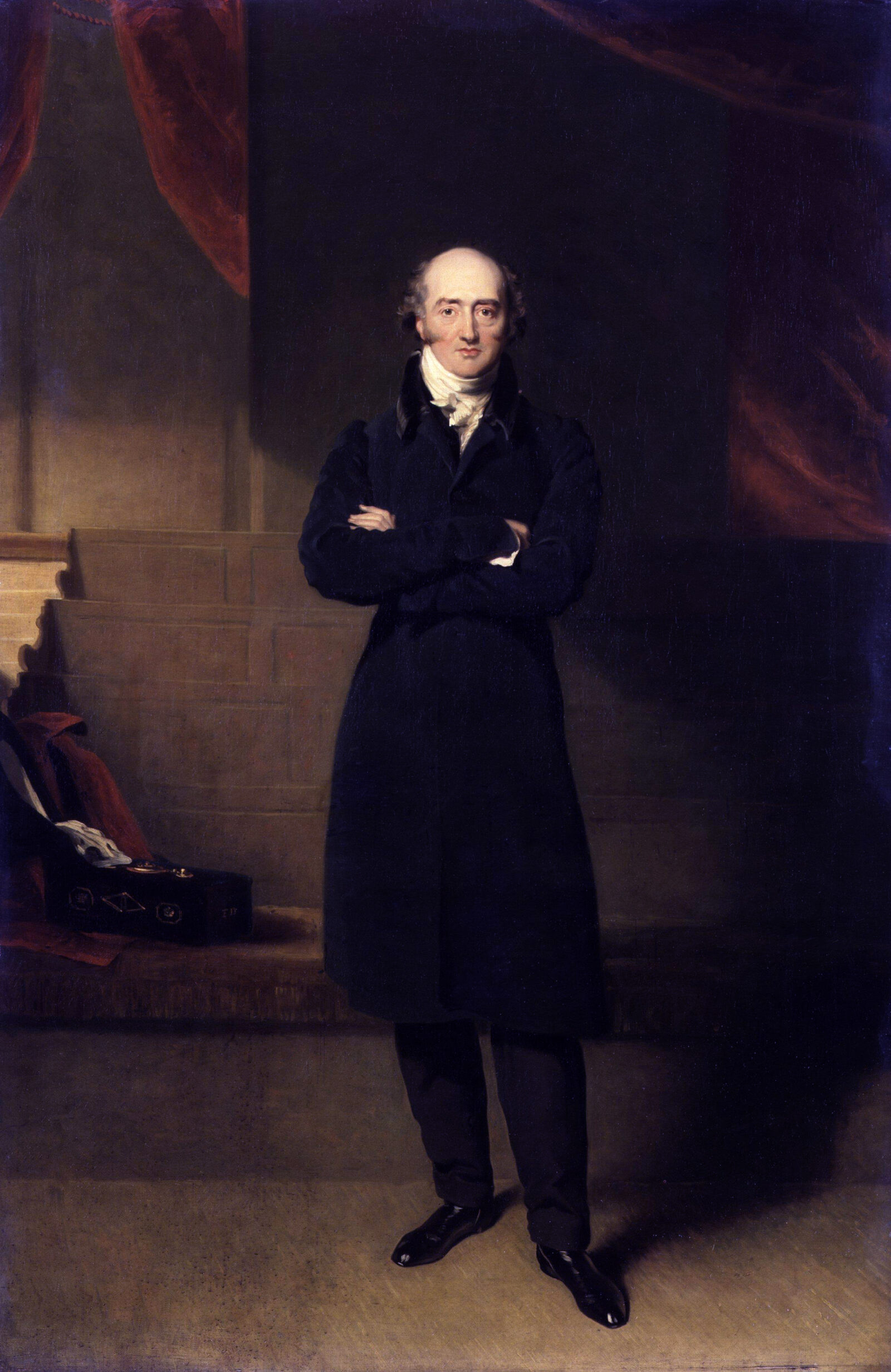
George Canning — The Seaford MP Who Was Britain's Shortest-Serving PM (Until Liz Truss)
For four months in 1827, the MP for the small Sussex town of Seaford was also the Prime Minister of the United Kingdom. George Canning lodged at Seaford House on Crouch Lane to represent what was then a rotten borough, walked Seaford Head before breakfast, and governed for just 119 days before dying in office. It was the shortest premiership in British history until Liz Truss in 2022.
For four months in 1827, the Member of Parliament for the small Sussex town of Seaford was also the Prime Minister of the United Kingdom. His name was George Canning, and his time in Number 10 was so brief that for nearly two centuries he held an unwanted record: the shortest premiership in British history. That record finally fell in 2022, to Liz Truss. The story of how a sitting Prime Minister came to represent a few dozen Seaford voters is a window into how Georgian politics really worked, and it left the town with a genuine, walkable connection to one of the most brilliant statesmen of the age.
A rotten borough on the Sussex coast
Seaford had returned two Members of Parliament since the late 13th century, a relic of its medieval importance as a limb of the Cinque Port of Hastings. By the 1820s that importance was long gone. The harbour had silted up and the population had dwindled, yet the town kept sending two MPs to Westminster while booming new cities like Manchester sent none. Seaford was, in the language of the day, a rotten borough: a seat with a tiny electorate that could be controlled by a wealthy patron. The right to vote rested with a handful of resident freemen, overseen by the town bailiff and jurats who met in the Old Town Hall in the market place.
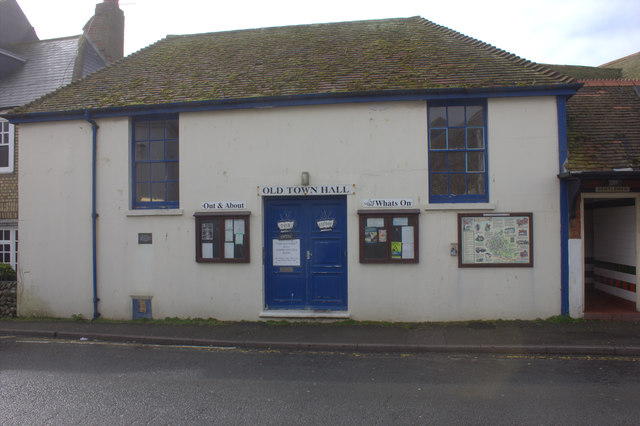
The whole arrangement was swept away just five years after Canning's death, when the Great Reform Act of 1832 abolished Seaford as a parliamentary borough entirely. But in 1827 it was still a prize, and that is how the Prime Minister of the day came to be its Member.
How Canning came to sit for Seaford
Canning had spent more than thirty years in the Commons, sitting for a string of constituencies including Liverpool, before he was made Prime Minister in April 1827. As was the custom, his elevation triggered a reshuffle of seats among his allies. The sitting Member for Seaford, the West India merchant Charles Rose Ellis, promptly stood down, and Canning won the resulting by-election unopposed. To satisfy the residency expectations of the borough, he took lodgings at Seaford House on Crouch Lane, the building from which he could step straight out onto the Downs.
Early-morning walks over Seaford Head
By all accounts Canning took to the town. He was an early riser who would set off at dawn on long walks over Seaford Head and along the cliffs towards Eastbourne and the Seven Sisters, the same chalk paths that draw walkers today. One story, reported in a letter to the Age newspaper dated 12 August 1827, captures the man. Caught in bad weather on Beachy Head, Canning was given shelter at a coastguard station by a Royal Navy lieutenant. Learning that the officer was struggling to provide for his family, the Prime Minister asked after the man's children. Within days the lieutenant's eldest son had been sent to London to become a midshipman in the Royal Navy, and his daughter had been found a position in Pall Mall.
The duel, the office, and 119 days
The man who walked the Seaford cliffs was no provincial backbencher. Born in London in 1770, Canning was a famously witty orator and a follower of the younger Pitt. As Foreign Secretary he shaped Britain's response to a turbulent Europe, championing the independence of the new Latin American republics with his celebrated boast that he had "called the New World into existence to redress the balance of the Old." He could also be combative. In 1809, after discovering a secret plan to remove his rival Lord Castlereagh from the Cabinet, Canning fought a duel with him on Putney Heath on 21 September. Canning missed; Castlereagh, the better shot, wounded him in the thigh.
His reward came late. When the long-serving Lord Liverpool was felled by a stroke, King George IV chose Canning to lead the government in April 1827. It was a poisoned chalice. Wellington, Peel and dozens of others refused to serve under him, forcing him to govern in coalition with the Whigs. The strain, on top of failing health, proved fatal. Canning died of pneumonia at Chiswick House on 8 August 1827, having been Prime Minister for just 119 days. His last words were reportedly, "Spain and Portugal." He was buried in Westminster Abbey.
A footnote until 2022
For 195 years, Canning's 119 days stood as the briefest premiership on record, a quiz-night answer with a quiet Seaford footnote attached. Then in October 2022 Liz Truss resigned after 49 days, and Canning slipped to second place. He remains, even so, the only Prime Minister ever to have died in office, and the only one to have represented Seaford. The Old Town Hall still stands in the market place, Crouch Lane still runs down towards the old quayside, and the cliff paths he walked before breakfast are as open to a Seaford morning as they were in 1827.
Sources
- Seaford's notable residents and Blue Plaques, archived from seaford-sussex.co.uk, held in the project archive at `Thoughts-Ideas-Expansion/archives/seaford-sussex-co-uk.md`
- "The Prime Minister who helped a Sussex Coastguardsman," Kevin Gordon, Quirky Sussex History
- "George Canning," Wikipedia
- "Past Prime Ministers: George Canning," GOV.UK
- "Stone's House and Seaford House," Seaford Heritage Walks